Southeast Region, Atlanta

The Way We Worked: Photographs from the National Archives

National Archives Southeast Region (Atlanta)

March 10, 2007 through May 20, 2007

General Information

  • The exhibit will be on display through May 20, 2007, and is free and open to the public.

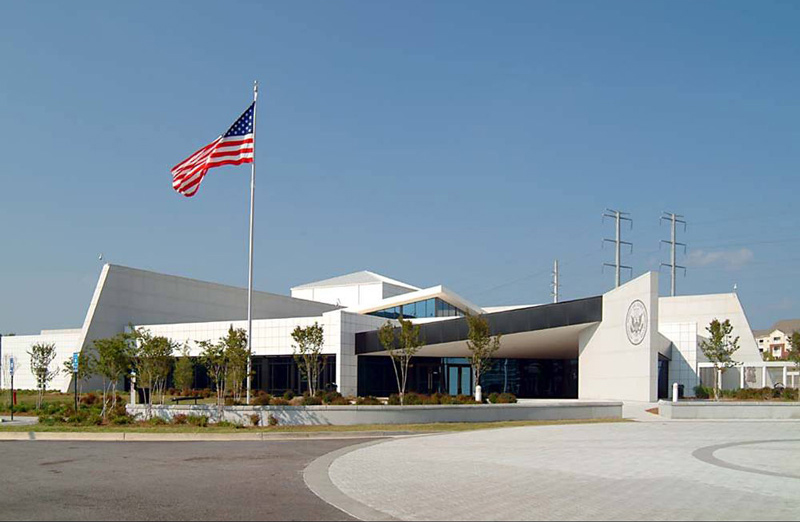
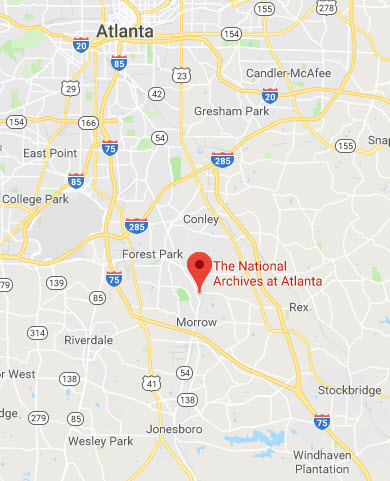
    The National Archives Southeast Region is located at 5780 Jonesboro Road, Morrow, GA 30260.

    Hours are Tuesday – Saturday, 8:30 A.M. – 5:00 P.M.

    Call 770-968-2100 for more information.

Imagine working in a coalmine. Or in a steel mill. Or at a telephone switchboard. Work and workplaces have gone through enormous transformations between the mid-nineteenth and the late-twentieth century.

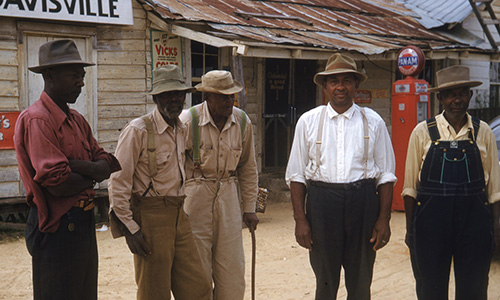
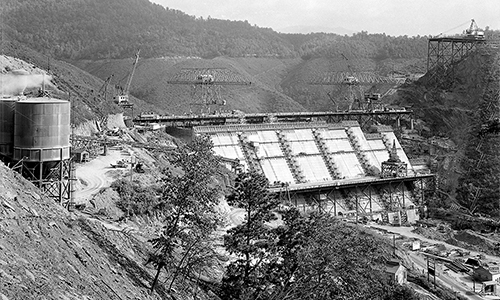
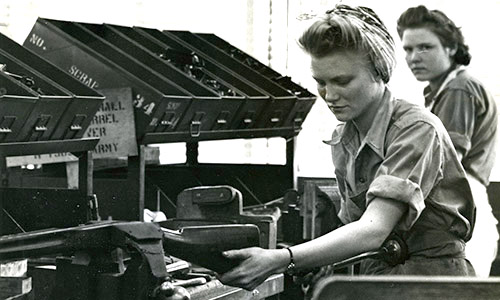
"The Way We Worked," offers a lens for viewing these changes through photography held by the National Archives. These photographs document work clothing, locales, conditions, and conflict. They also depict a workforce whose distinctiveness was shaped by many factors-immigration and ethnicity, slavery and racial segregation, wage labor and technology, gender roles and class-as well as by the American ideals of freedom and equality. Most importantly, these images honor those who built this country-the working men and women of America.

Exhibit Closing

  • Come to our Closing Ceremony for The Way We Worked exhibit, on Saturday, May 19, featuring Lt. Colonel Dryden, Tuskegee Airman and Congressional Gold Medal recipient.
    More...

The exhibit includes 86 exceptional black and white and color photographs from the National Archives' holdings spanning the years 1857 - 1987. Also included are large photomurals.

The exhibition explores five themes:

Where We Worked Americans have worked just about everywhere: on farms, boats, and skyscrapers; in mines, offices, and factories; and at home, restaurants, and hospitals.

Tours for Groups and Students

  • To schedule a group viewing or a tour for students and educators, please contact Mary Evelyn Tomlin, Public Programs Specialist, at 770-968-2555 or via e-mail at mary.tomlin@nara.gov.

How We Worked Photographs show workers posing heroically with their tools and as the symbolic "heart of the turbine." These pictures also reveal the effect of technology and automation as operatives sit along assembly lines, labor in typing pools, or work amid the sounds of machinery around them.

What We Wore to Work Work clothes have many functions. They serve as badges of authority and status, make occupations immediately identifiable, and sometimes distinguish male and female roles.

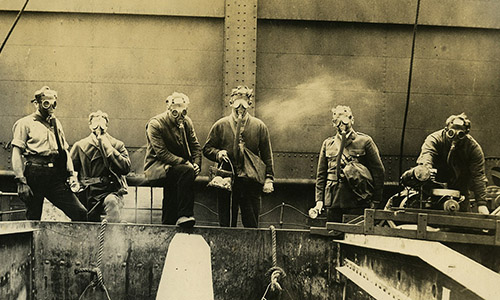
Dangerous and Unhealthy Work Photography has traditionally documented "the dangerous trades" in the United States. Social reformers have used photographs as evidence to ban child labor, reduce the hours that women could work, and expose unsanitary workplaces. Engineers have photographed the details of machinery and processes to improve operations and practices.

Conflict at Work Workers and managers have clashed over wages, hours of work, working conditions, work rules, and union recognition. Strikes, lockouts, protests, and boycotts as well as bargaining and settlements have played a large part in shaping American history.

Read the press release

Get Directions


"The Way We Worked," was created by the National Archives with the support of the Foundation for the National Archives, and is organized for travel by the Smithsonian Institution Traveling Exhibition Service (SITES).

PDF files require the free Adobe Reader.
More information on Adobe Acrobat PDF files is available on our Accessibility page.

The U.S. National Archives and Records Administration
8601 Adelphi Road, College Park, MD 20740-6001
Telephone: 1-86-NARA-NARA or 1-866-272-6272