
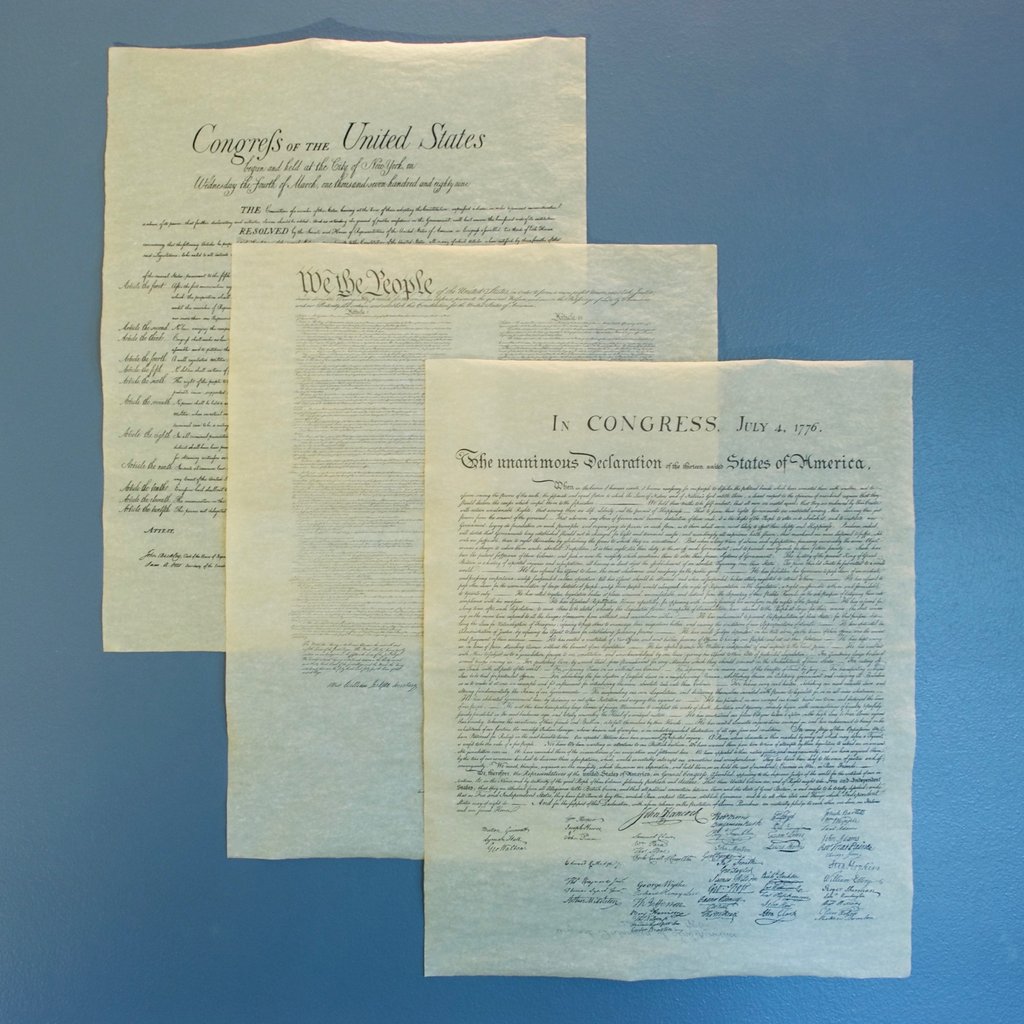
These three documents, known collectively as the Charters of Freedom, have secured the rights of the American people for more than two and a quarter centuries and are considered instrumental to the founding and philosophy of the United States.
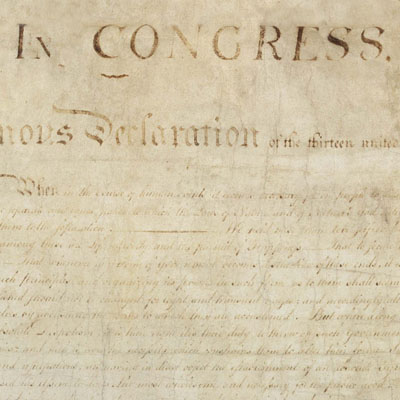
Declaration of Independence
 Learn More
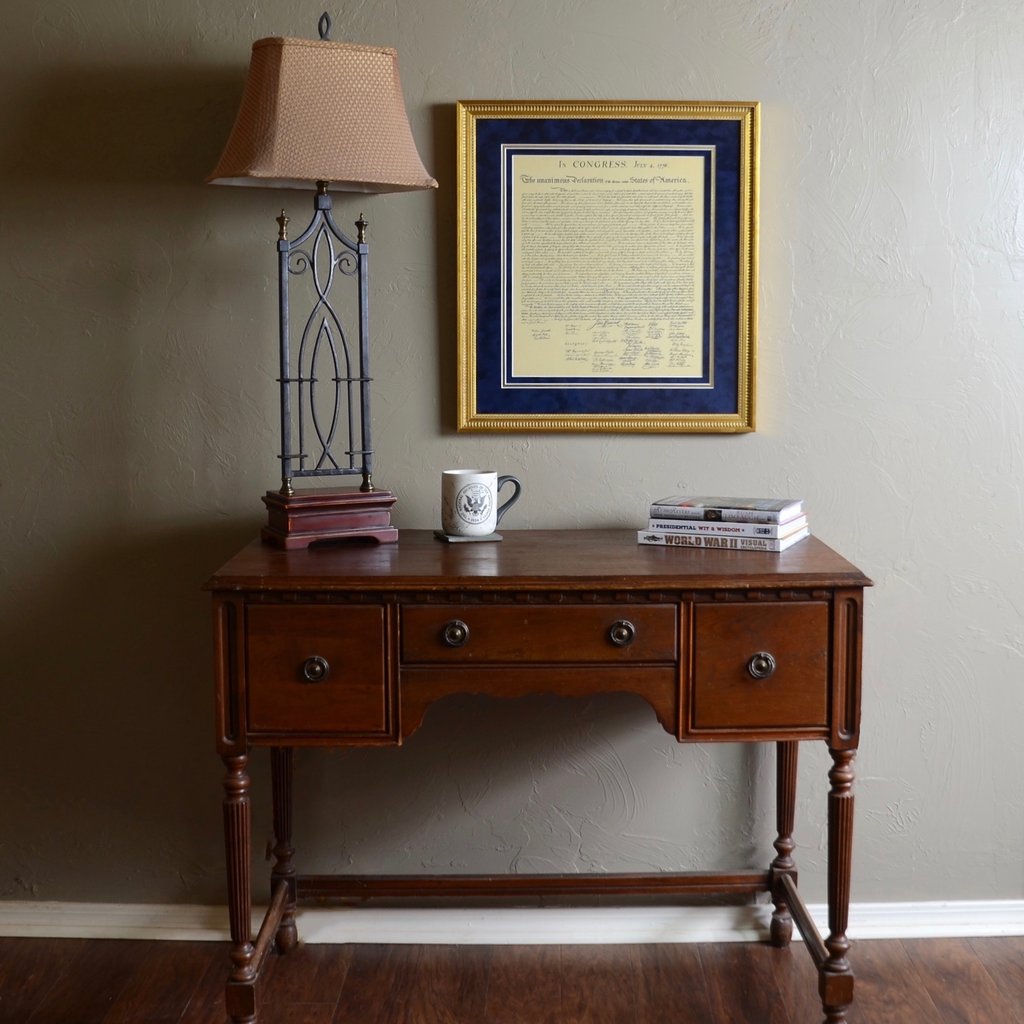
The Declaration of Independence expresses the ideals on which the United States was founded and the reasons for separation from Great Britain.
Read a Transcript
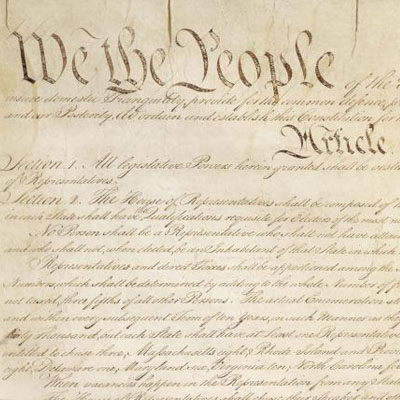
Constitution
 Learn More
The Constitution defines the framework of the Federal Government of the United States.
Read a Transcript
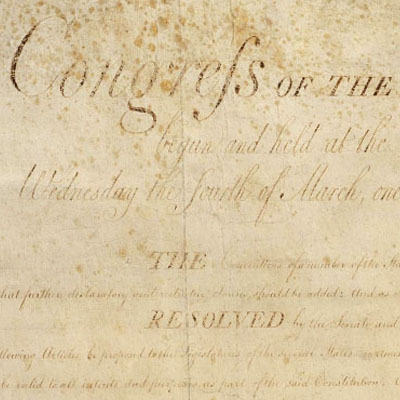
Bill of Rights
 Learn More
The Bill of Rights is the first 10 amendments to the Constitution. It defines citizens’ and states’ rights in relation to the Government.
Read a Transcript
Shop the Archives Store
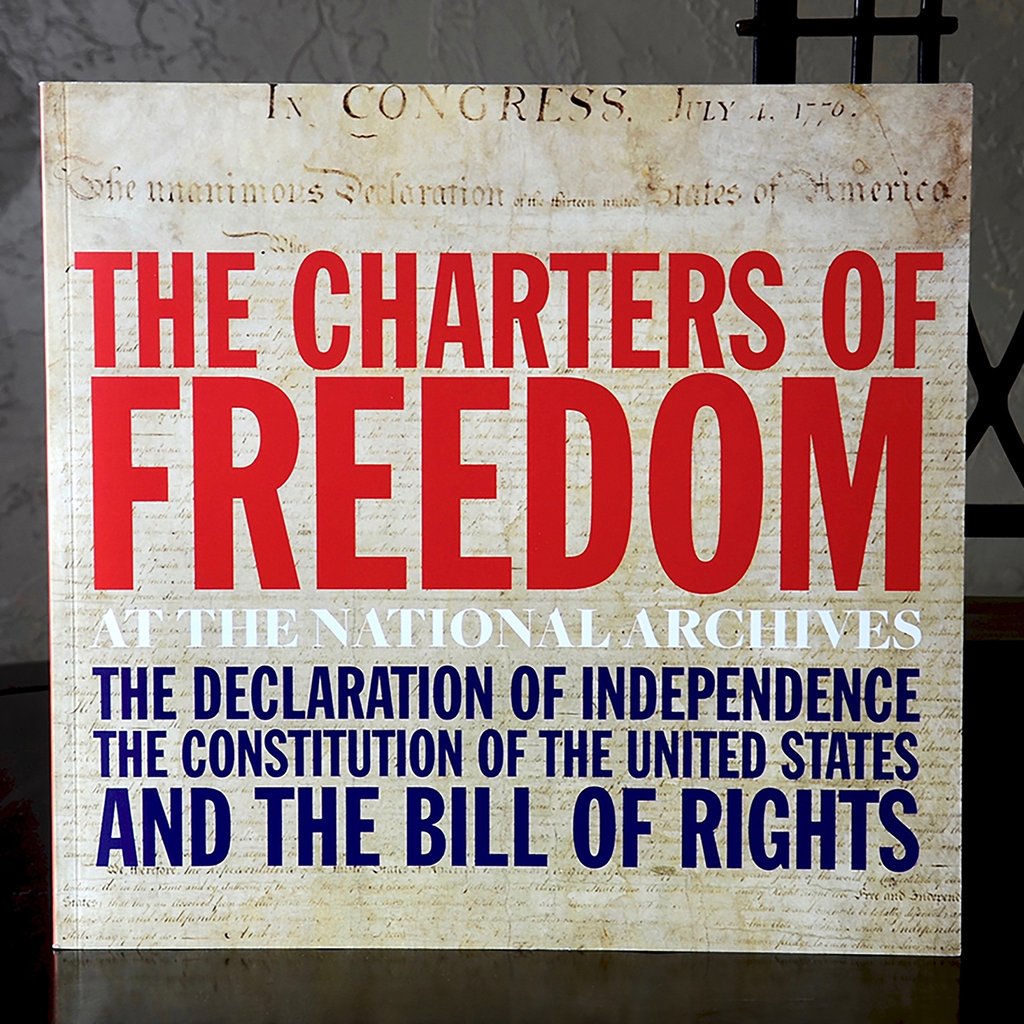
Visit the Charters of Freedom
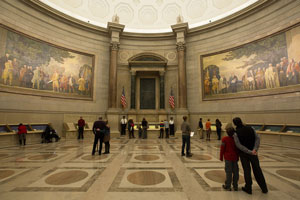
The Rotunda for the Charters of Freedom
Located on the upper level of the National Archives, the Rotunda for the Charters of Freedom is the permanent home of the original Declaration of Independence, Constitution of the United States, and Bill of Rights.
Designed by architect John Russell Pope as a shrine to American democracy, the ornate Rotunda with its soaring domed ceiling also features two murals by Barry Faulkner, depicting fictional scenes of the “presentations” of the Declaration of Independence and the Constitution.
Explore the Founders Online
Founders Online
Through Founders Online, you can read and search through thousands of documents and records to and from George Washington, Benjamin Franklin, Alexander Hamilton, John Adams, Thomas Jefferson, and James Madison and see firsthand the growth of democracy and the birth of the Republic. Their letters and journals are a kind of "first draft" of the Charters of Freedom.
View Other Milestone Documents
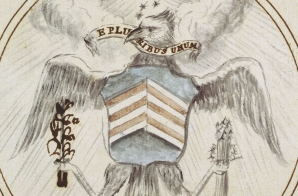
Milestone Documents
Milestone documents are primary source documents that highlight pivotal moments in the course of American history or government. They are some of the most-viewed and sought-out documents in the holdings of the National Archives.