
The American Story Press Kit
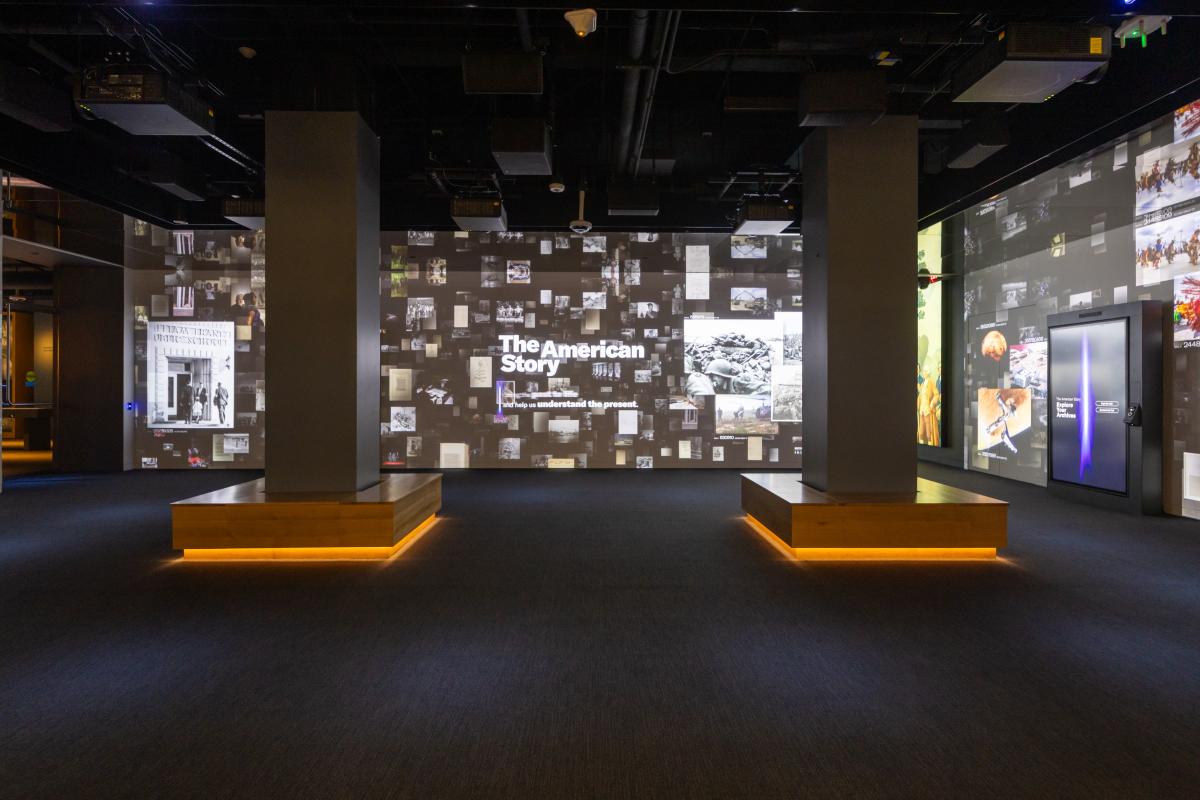
The Introductory Gallery in The American Story at the National Archives Museum in Washington, DC
All photos of museum galleries available for media use with credit to the National Archives Foundation
Opening November 21, 2025
National Archives Museum
Washington, DC
The American Story
On Friday, November 21, the National Archives Museum will open its new flagship exhibition, The American Story, after a multi-year reimagination of its museum galleries, just in time to celebrate America’s Semiquincentennial.
Innovative, engaging, and powered by artificial intelligence, The American Story brings more than two million historic records to life and offers visitors opportunities to personally connect their lives to our nation’s storied past.
The American Story immerses guests in an interactive exploration of the people, ideas, and events that shaped 250 years of U.S. history through nine captivating galleries that spotlight categories of records in the National Archives. After selecting the topics of interest through AI-driven portals, visitors will be presented with historical content tailored to their individual interests that they can later revisit online.
This exhibit features several dozen historic, original artifacts, documents, patents, and film slips, including:
-
George Washington’s annotated draft of the U.S. Constitution.
-
The Louisiana Purchase Treaty.
-
Notable patents, including those for Velcro, the artificial heart, and the Zamboni.
-
Declassified records from the Cuban Missile Crisis and UFO sightings.
-
The first government-sponsored film capturing the Wright Brothers' test flight.
-
State gifts to U.S. Presidents, including a crystal cowboy boot gifted to President Ronald Reagan and spurs gifted to President Lyndon B. Johnson.
What You Will See
Chartering Freedom

The Declaration of Independence is the foundation of our nation. The National Archives is the permanent home of the original Declaration, and this gallery displays a rare stone engraving of the Declaration of Independence. Alongside the stone engraving is a display of the Emancipation Proclamation, which grew out of the principles enshrined in the Declaration. This gallery will allow visitors to use technology to interact with these documents and ideals like never before.
Notable records include:

William J. Stone Copperplate Engraving of the Declaration of Independence
This is the copperplate engraving commissioned by Secretary of State John Quincy Adams to be an official facsimile from which copies of the engrossed Declaration of Independence could be made by the Federal government. The engraving was completed by William J. Stone. The engraving captured the size, text, lettering, and signatures of the original document.
Land and Home

The story of westward expansion is one of bold risk, exploration, and uncharted territories. Lands originally inhabited by Native peoples and settled by European empires became part of America as trade routes and new opportunities spread across the country. As changing boundaries reshaped the nation, people and the communities they built showed courage and resilience. Their stories survive here at the National Archives.
Notable records include:
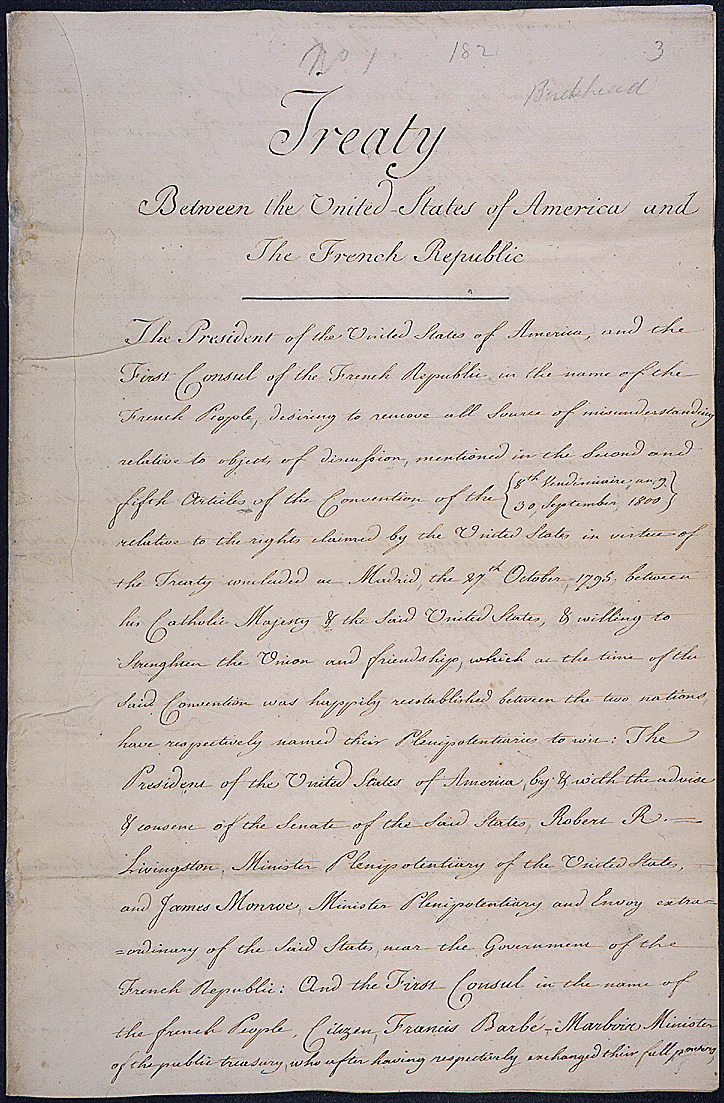
The Louisiana Purchase Treaty
Treaty between the United States of America and the French Republic ceding the province of Louisiana to the United States.
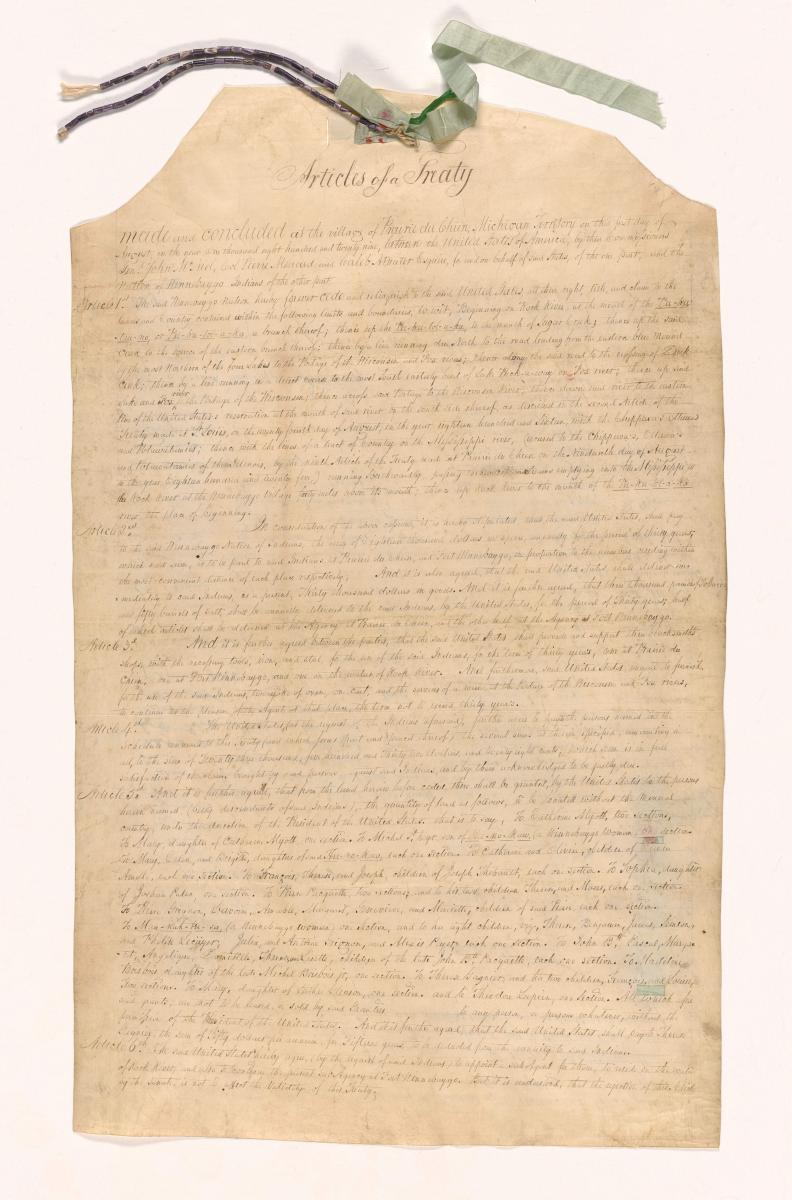
Ratified Indian Treaty #156
Winnebago - Prairie du Chien, Michigan Territory, August 1, 1829
Picturing a Nation

This space features a rotation of photographs that capture the beauty and vastness of American landscapes. The National Archives preserves millions of photographs, paintings, drawings, blueprints, and maps. They provide a visual glimpse of the people and places that tell the American story. From awe-inspiring photographs of Western lands to images of people passing through Ellis Island to a new home— these are the stories that live through images at the National Archives.
Notable records include:
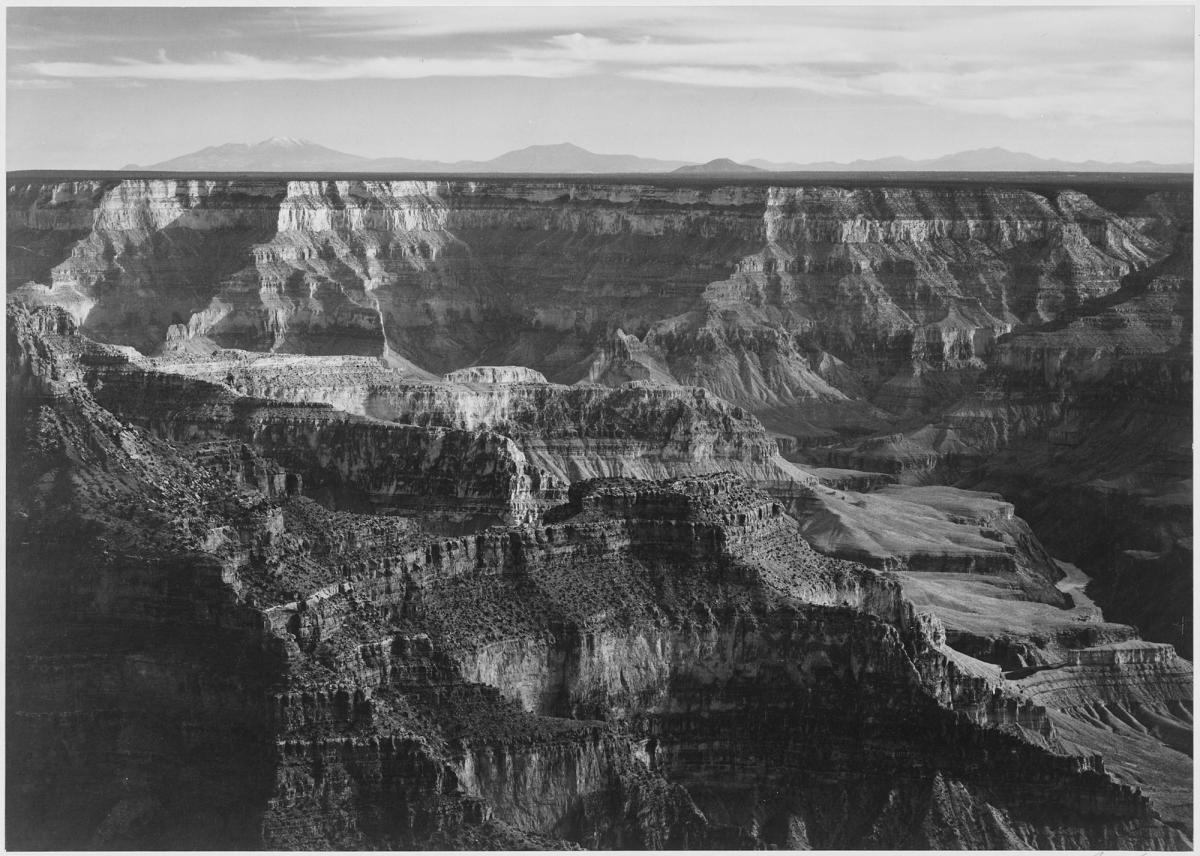
Ansel Adams photograph of Grand Canyon National Park
Broad view with detail of canyon, horizon, and mountains above, "Grand Canyon National Park," Arizona.
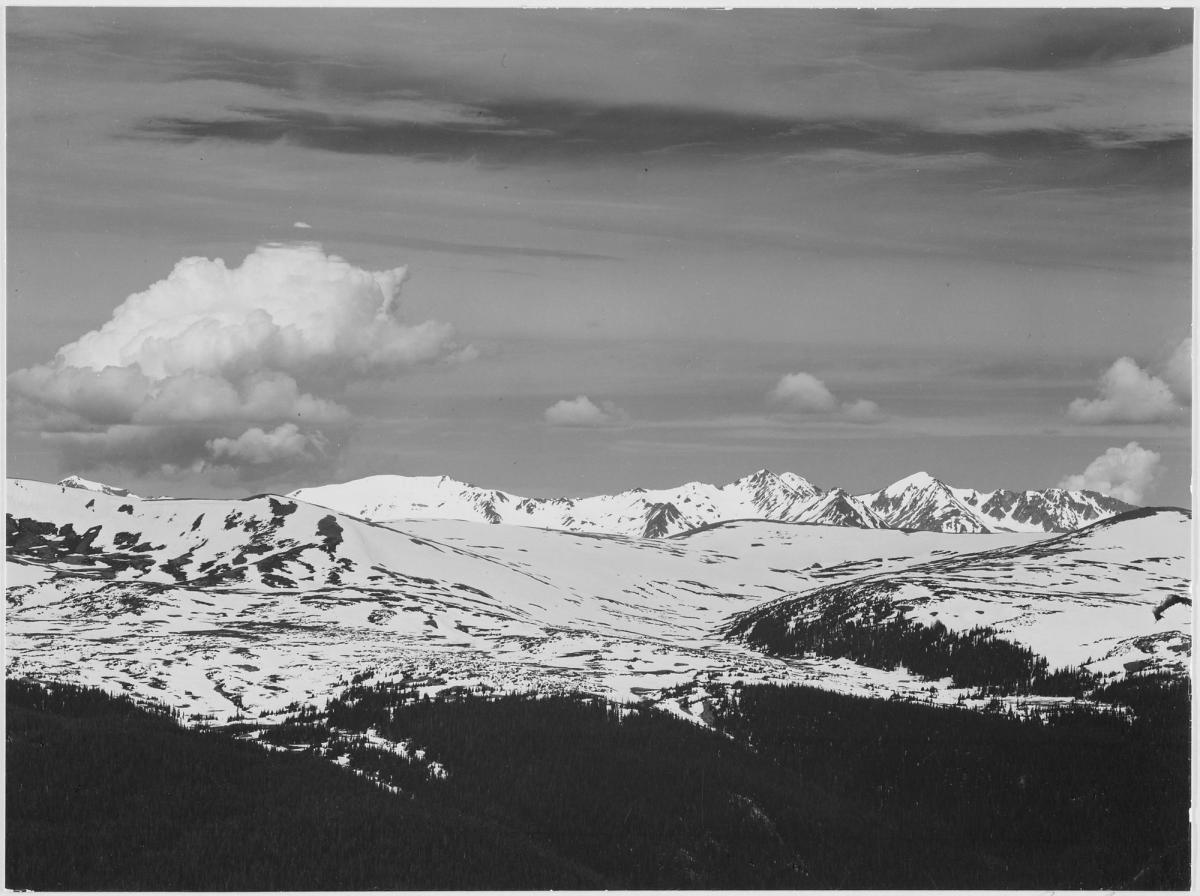
Ansel Adams photograph of Rocky Mountain National Park
View at Timberline, Dark Foreground, Light Snow Capped Mountain, Gray Sky, "Rocky Mountain National Park. Never Summer Range," Colorado
A More Perfect Union

In this gallery, visitors can explore how the founding document has changed over time through the amendment process. The gallery also features a display of rotating petitions on various issues from citizens, showcasing citizens' interactions with their government.
Notable records include:

George Washington's Annotated Copy of a Draft of the U.S. Constitution
This is the Committee of Detail's draft of the U.S. Constitution that George Washington annotated with his comments.
Crisis and Conflict: The Common Defense

Records at the National Archives capture the valor and inspiration of those who have defended and protected the United States. In this gallery, visitors can explore records that represent all branches of the military and the nation’s diplomatic outposts around the world.
Collectively, these tell stories of the millions of Americans—military servicemembers and civilians—who answered the call to “provide for the common defense.”
There are two sections to this gallery: “Crisis and Conflict” and “Art of Diplomacy." Crisis in Conflict explores the role of the President as Commander in Chief, and those who served in the military, while Art of Diplomacy highlights the role of the President as a diplomatic Head of State.
Notable records include:
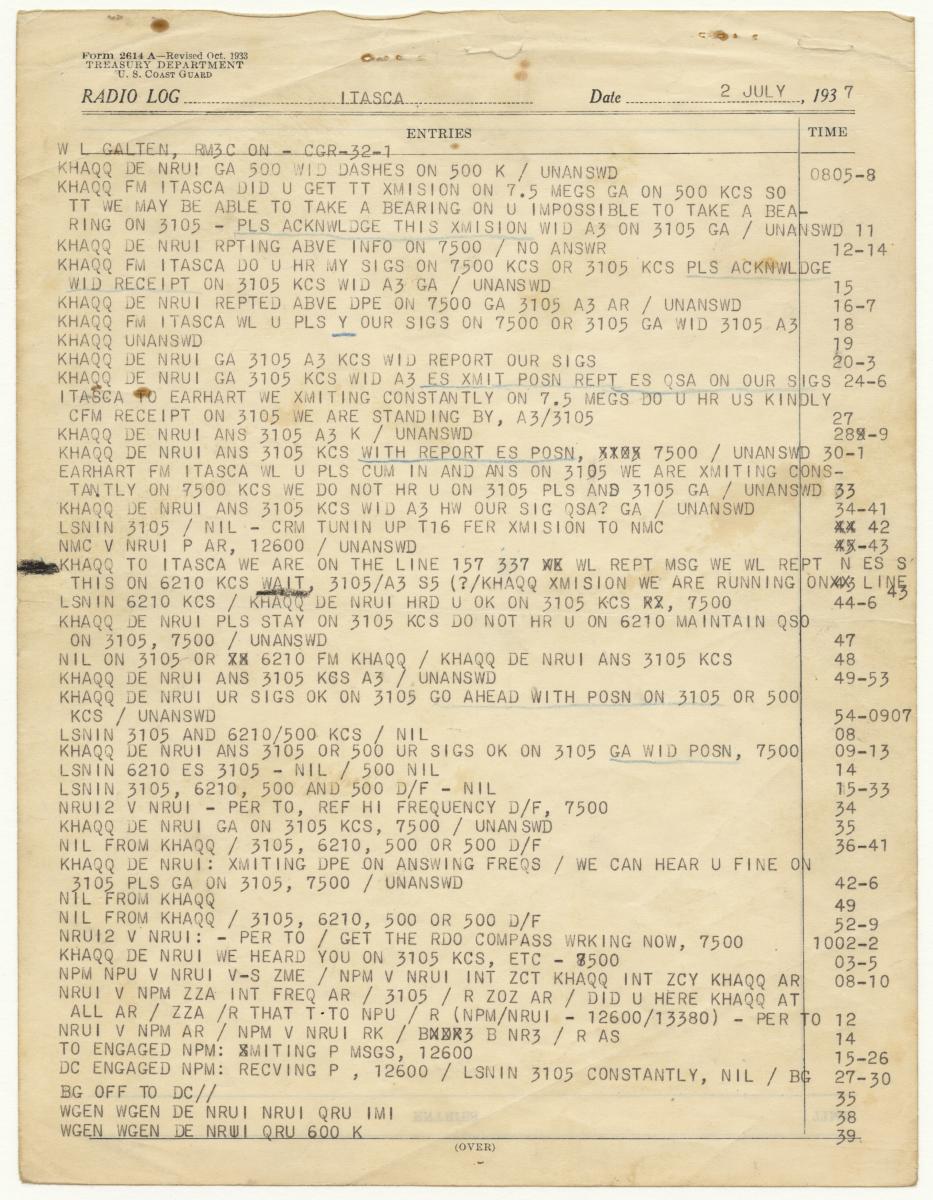
Radio Log of the Last Communications of Amelia Earhart
This item is the original radio log of Amelia Earhart's last communications with the U.S. Coast Guard cutter Itasca. Also included are notes and edits to the log by the radioman Leo G. Bellarts. The last communication occurred on 8:43 am on July 2, 1937, as indicated on the log.
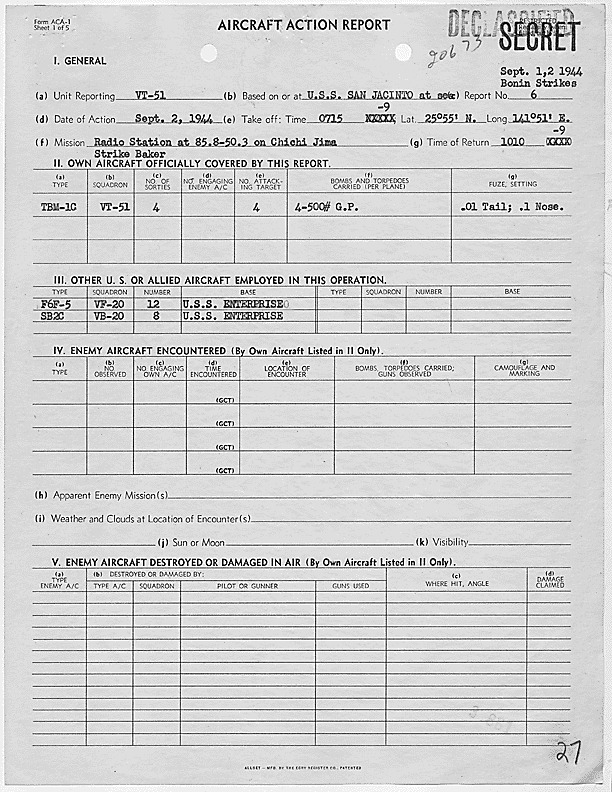
Action Report, U.S. Navy Torpedo Squadron 51 (VT-51), for Actions Occurring September 1-2, 1944
This is the action report of the air squadron (VT-51) of George H.W. Bush covering his rescue on September 2, 1944 after his TBM-1C aircraft was downed over the ocean.
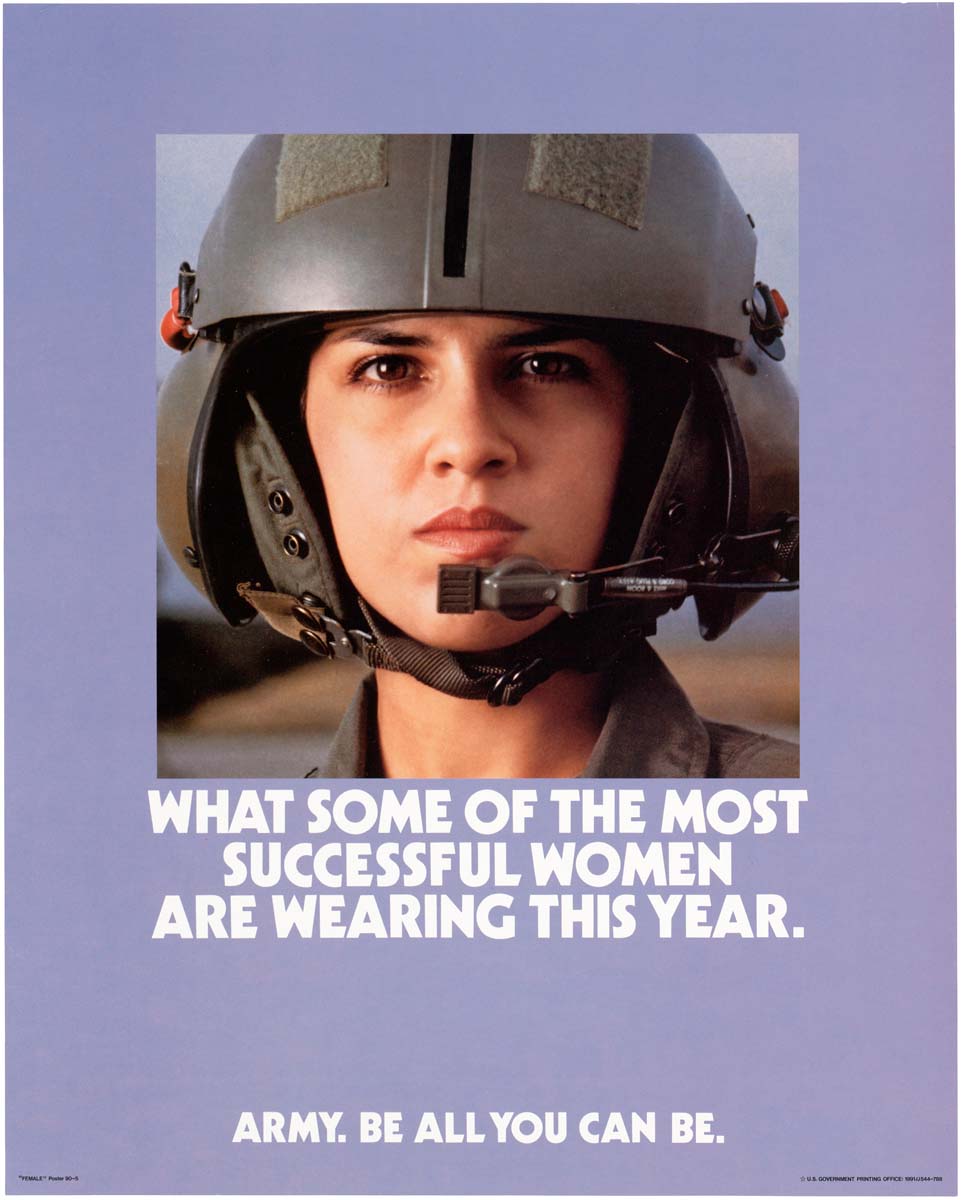
What Some of the Most Successful Women are Wearing This Year
U.S. Army recruitment poster, "Army. Be All You Can Be."
Crisis and Conflict: Art of Diplomacy

Notable records include:
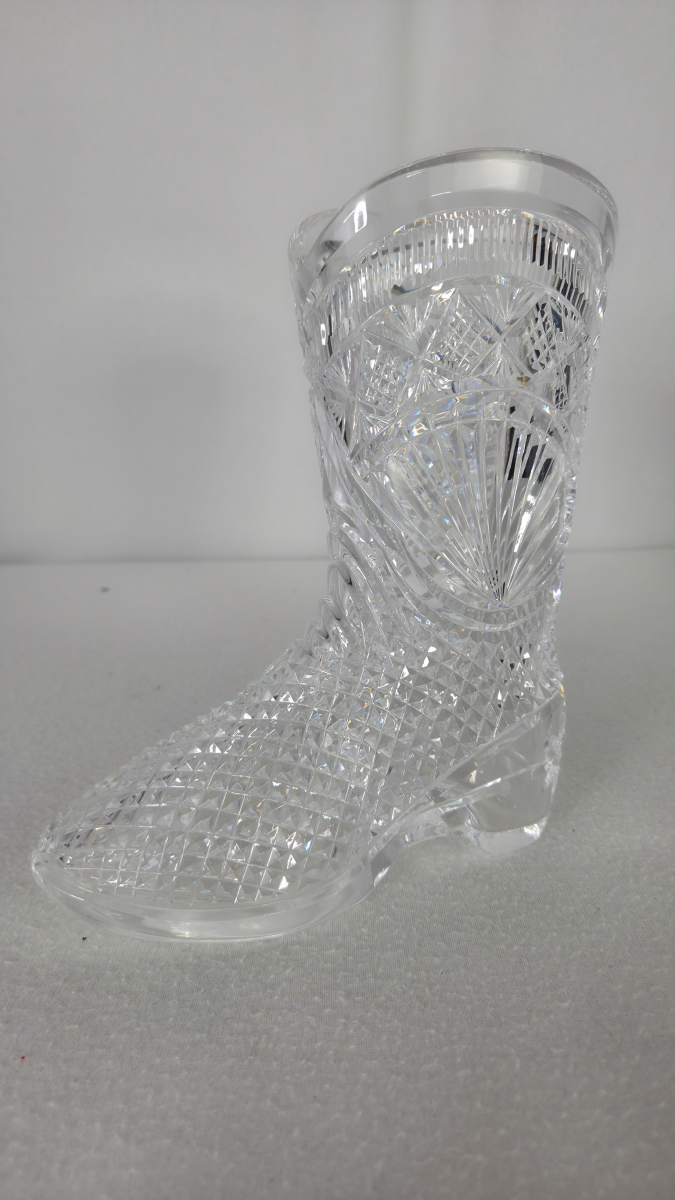
Waterford crystal cowboy boot
Waterford crystal cowboy boot given from Ireland to President Ronald Reagan (Courtesy of the Ronald Reagan Presidential Library and Museum)
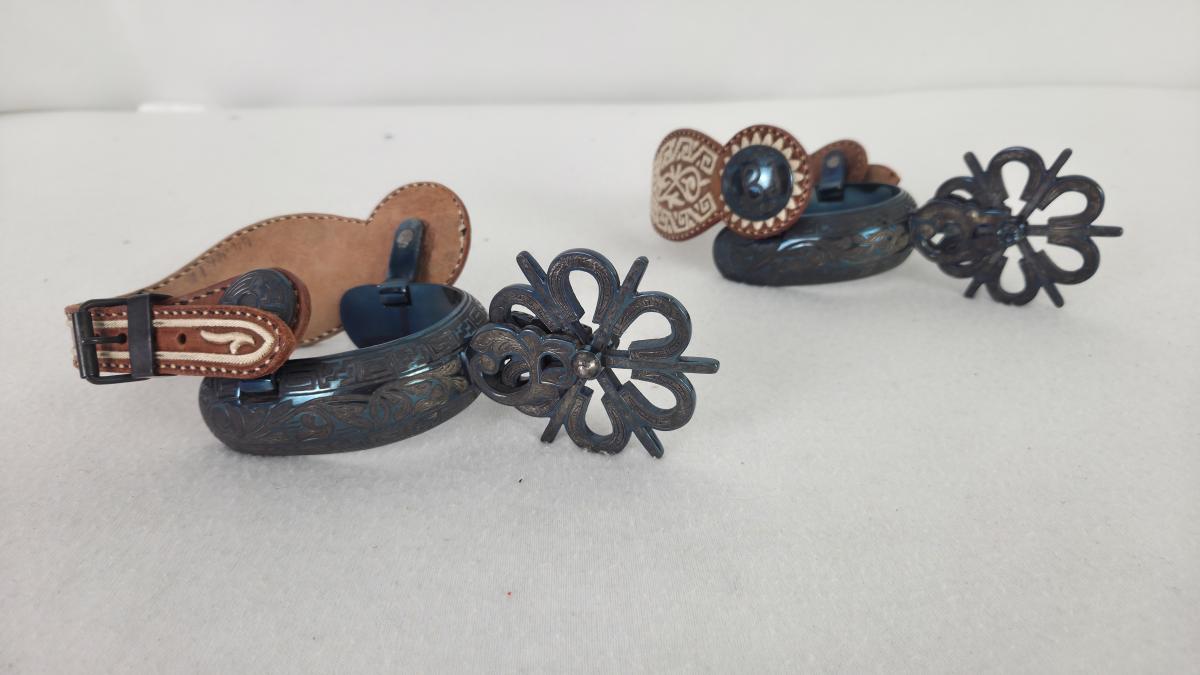
Pair of spurs
A pair of spurs given from Mexico to President Lyndon B. Johnson (Courtesy of the Lyndon B. Johnson Presidential Library and Museum)
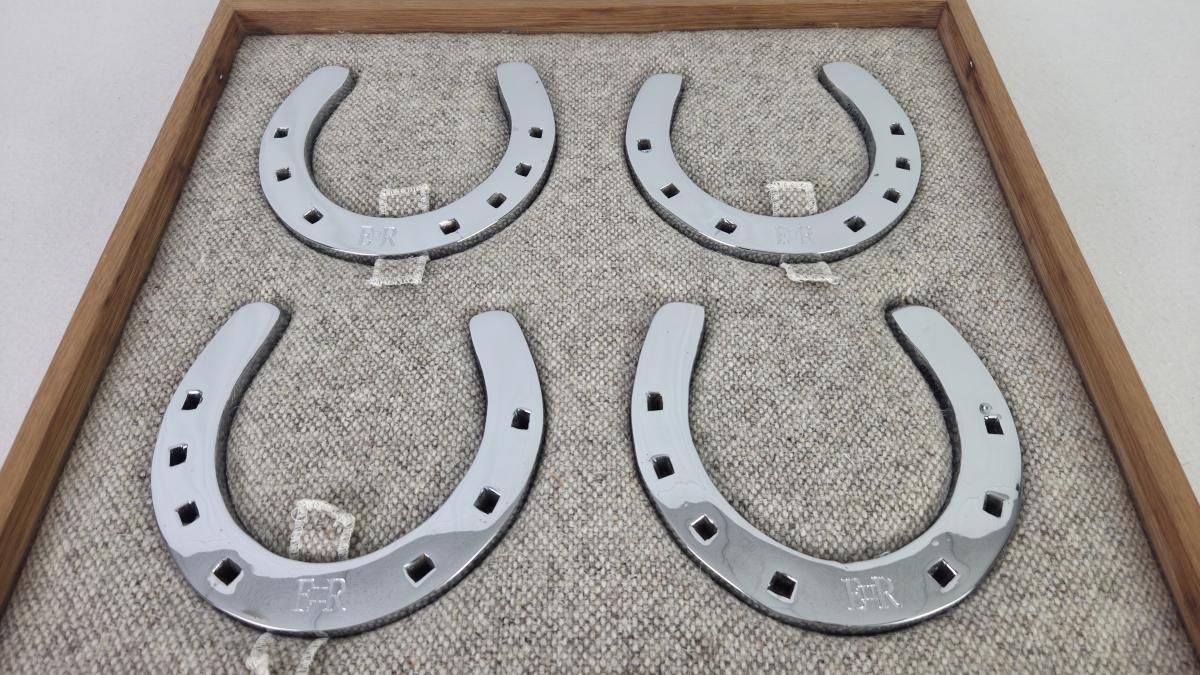
Horseshoes
Horseshoes given from the United Kingdom and Queen Elizabeth II to President George H.W. Bush (Courtesy of the George H.W. Bush Presidential Library and Museum)
Uncle Sam Presents

From the Wright Brothers’ test flight to Smokey Bear, this theater gallery features a 7-minute film, made up of 13 clips – selected from the over 450 million feet of film held by the National Archives – that showcase the many ways the government has used film to disseminate information to the public to inform, document, and inspire. Also featured in the gallery is a collection of posters that were used to inform and inspire citizens.
Innovation Nation

Records at the National Archives document the evolution of technologies sparked by the U.S. government. Through a central interactive table, this gallery shows how inventions, such as those originally created for space exploration or national security, can be found throughout our communities.
Gallery made possible thanks to the generous support of Microsoft.
America's Spirit of Invention

The National Archives holds millions of records from the United States Patent and Trademark Office. From Thomas Edison’s light bulb to the artificial heart, this gallery showcases some of the millions of patents housed within the holdings of the National Archives.
Gallery made possible thanks to the generous support of P&G.
Notable records include:
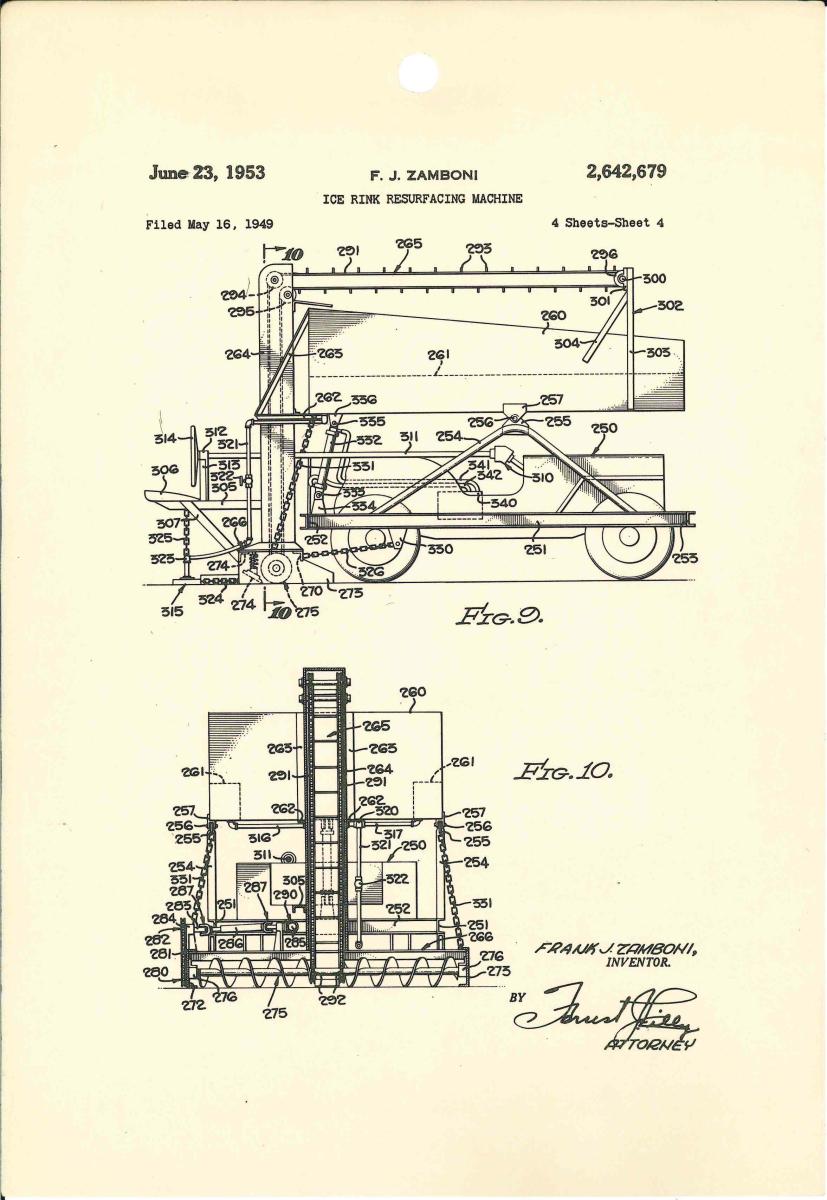
Patent for Ice Rink Resurfacing Machine
Patent Case File No. 2,642,679, Ice Rink Resurfacing Machine, Inventor Frank J. Zamboni, 1953

Patent for artificial heart
Patent Case File No. 3,097,366, Artificial Heart, Inventor(s): Paul Winchell

Patent for toy boxers
Patent Case File No. 3,235,259, Toy Boxers, now known as "Rock 'Em Sock 'Em Robots." , Inventor(s): Marvin I. Glass, Harry Disko and Burton C. Meyer.
Your National Archives in Action

National Archives records are available to all Americans. They make a unique connection with the past, enable people from every generation to uncover individual family histories, and help us learn about our shared heritage.
The final gallery highlights several stories of individuals who have researched the records to write history, make historic and documentary films, and research their family history. These stories include David Grann’s Killers of the Flower Moon, how an individual found her mother’s naturalization records, the discovery of never-before-seen, high-quality footage of the Apollo 11 mission, and more.
Gallery made possible thanks to the generous support of Ancestry.
Discovery Center
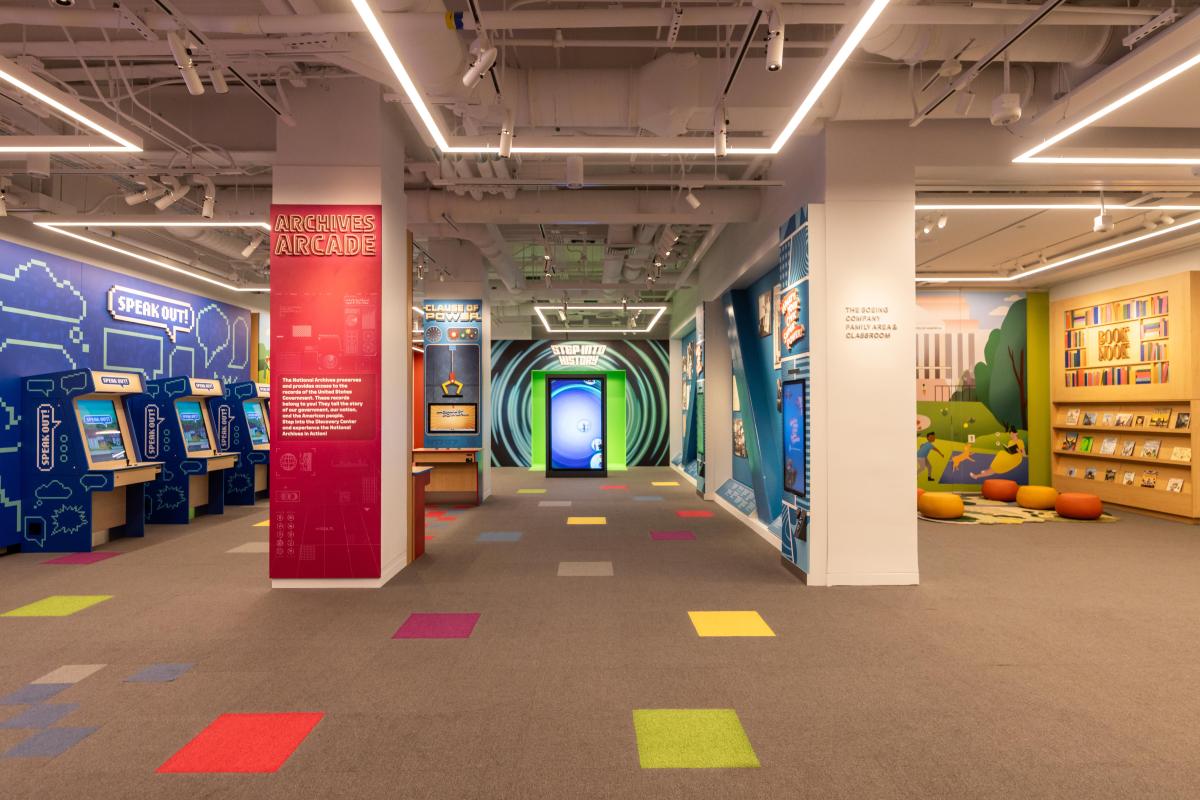
Along with The American Story, the museum will also unveil its new Discovery Center featuring an Archives arcade and classroom with hands-on civics education activities for children and families.
The Discovery Center is intended for children and families to experience the National Archives in action through fun, interactive educational games in the Archives Arcade and Family Room. Based on records and stories from the holdings, arcade games invite families to have fun while learning civics in an engaging way.
The Discovery Center also includes an activity space and classroom for the National Archives education team to host educational programs and visiting school groups.
The family room and classroom were made possible thanks to the generous support of The Boeing Company.
The American Story and Discovery Center are part of an extensive, $40 million dollar renovation, marking the first major transformation of the National Archives Museum in two decades. The reimagined 10,000-square-foot space also includes a renovated theater for public programs and events.
Are you a member of the media who would like to cover this exhibit? For media inquiries, please contact the National Archives Public and Media Communications via email at public.affairs@nara.gov.
Tag us on social media, and use the hashtag #ArchivesAmericanStory!