
Free and Independent Press Kit
Discover the riveting story behind America’s most important founding document.
April 25, 2026 - July 5, 2027
Lawrence F. O’Brien Gallery
National Archives Museum
Washington, DC
Free and Independent: A Celebration of the Declaration
The National Archives welcomes visitors to "Free and Independent: A Celebration of the Declaration," a major special exhibition in Washington, DC beginning April 25, 2026, in celebration of America's 250th birthday.
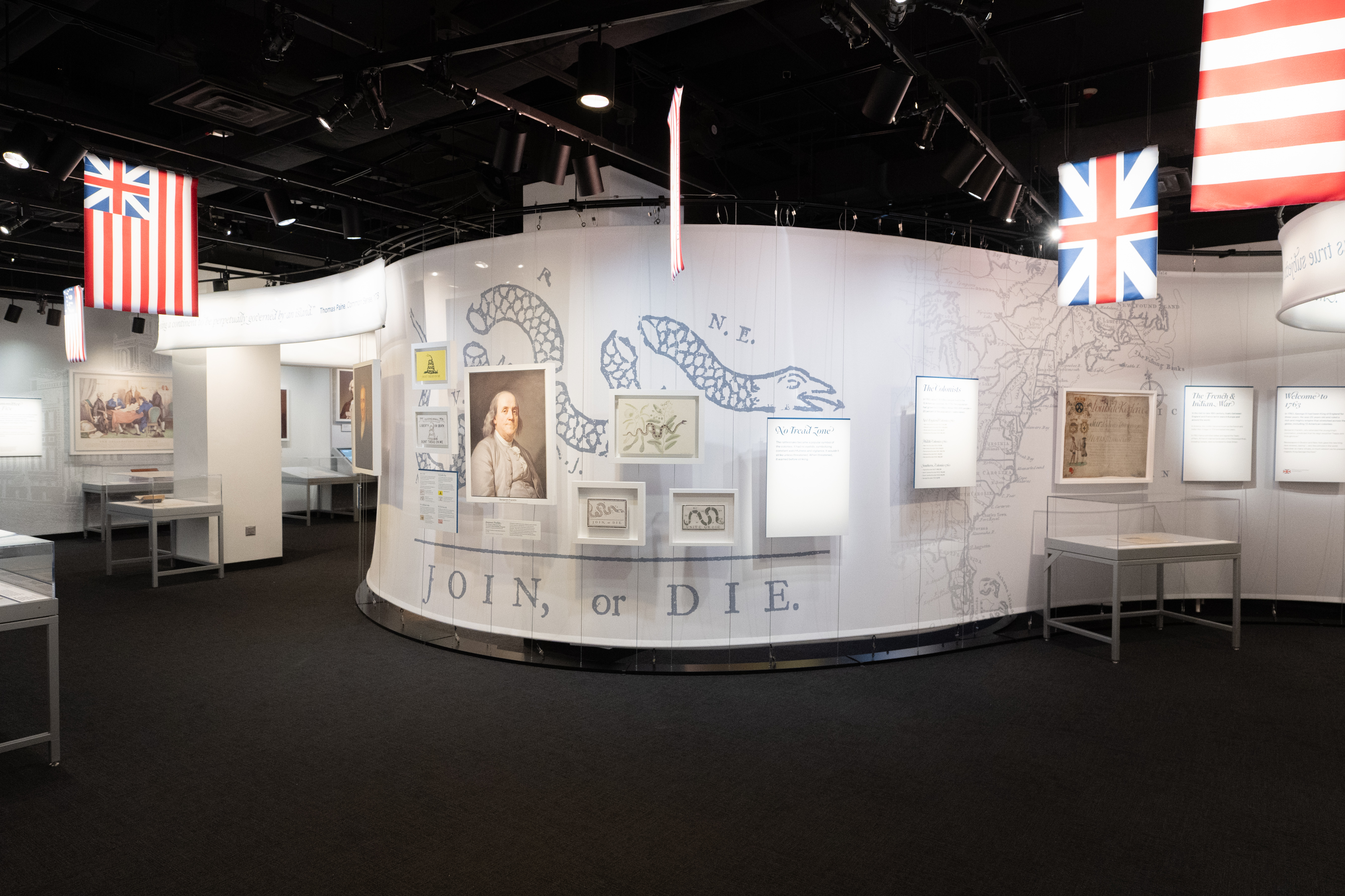
The new temporary exhibit at the National Archives Museum "Free and Independent: A Celebration of the Declaration." Photo courtesy of the National Archives Foundation
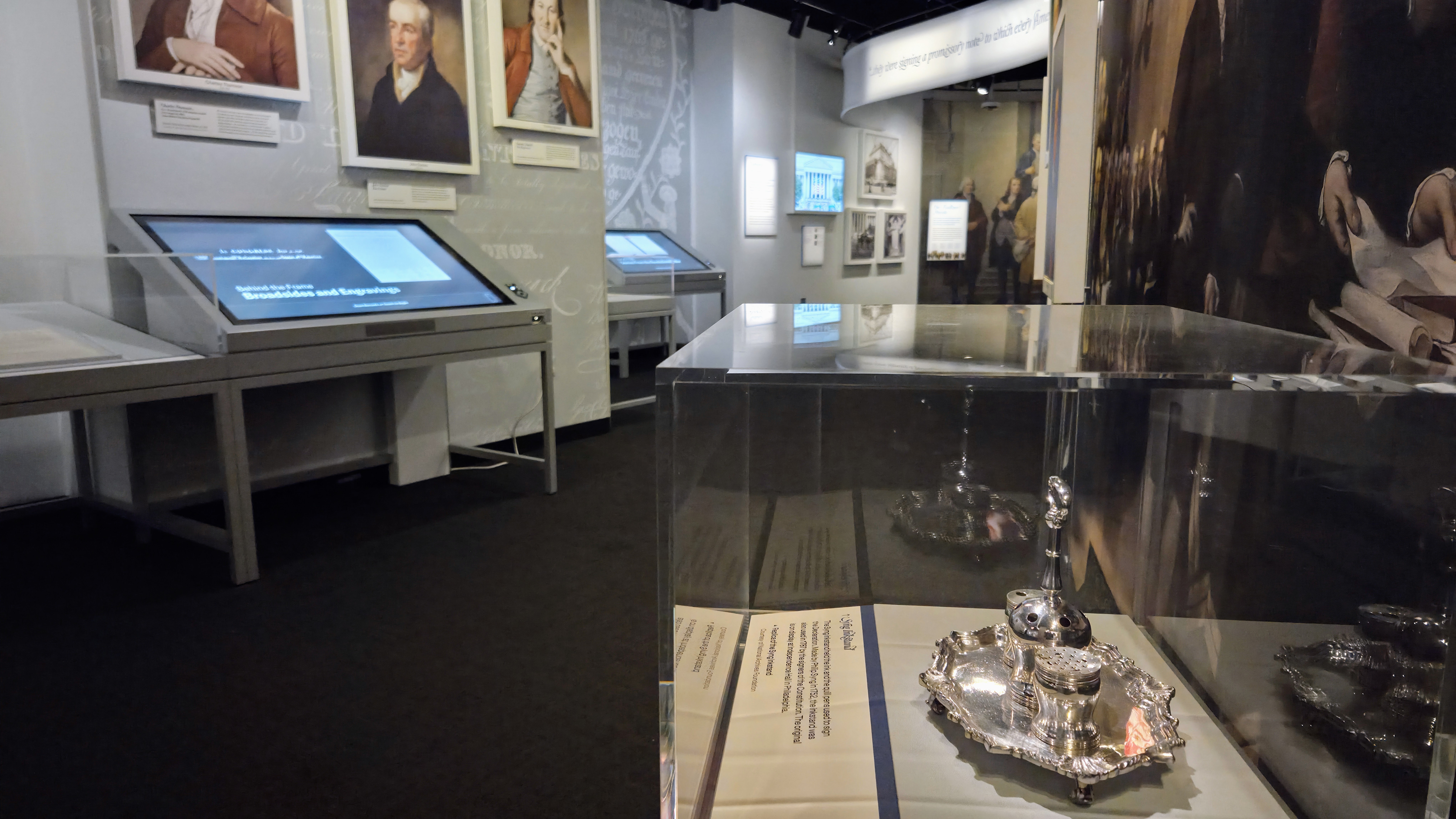
The new temporary exhibit at the National Archives Museum "Free and Independent: A Celebration of the Declaration"
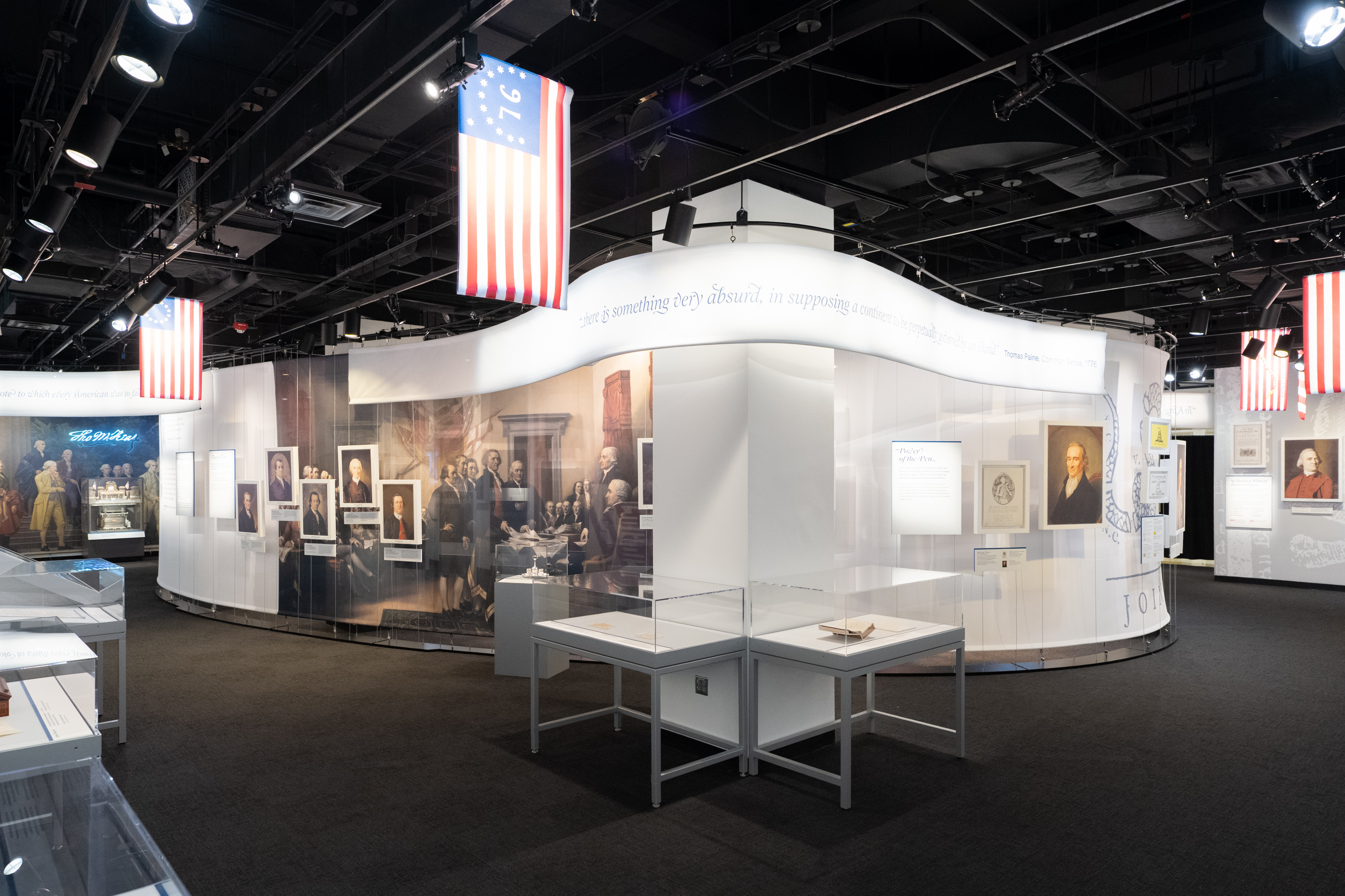
The new temporary exhibit at the National Archives Museum "Free and Independent: A Celebration of the Declaration." Photo courtesy of the National Archives Foundation
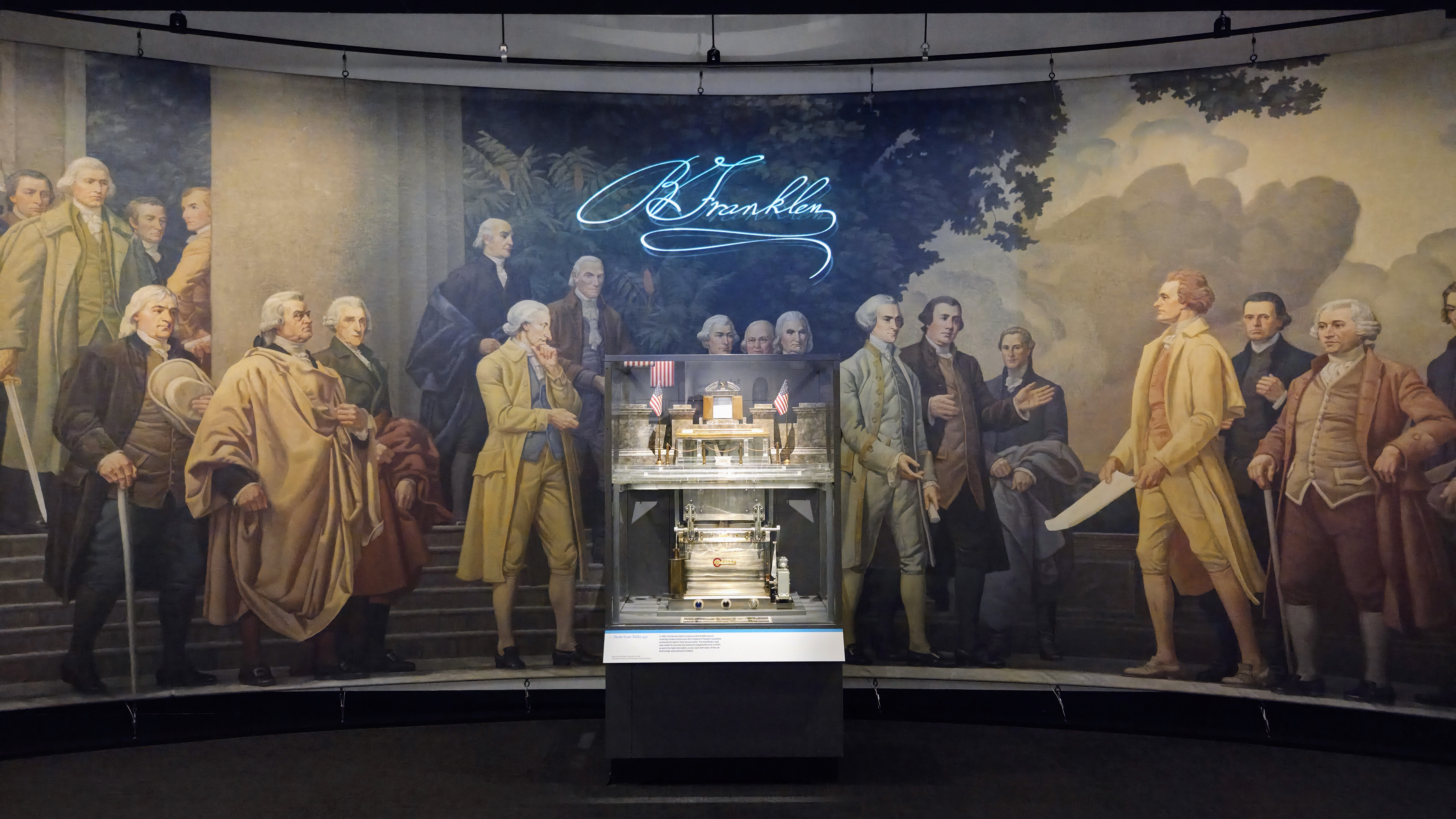
The new temporary exhibit at the National Archives Museum "Free and Independent: A Celebration of the Declaration"
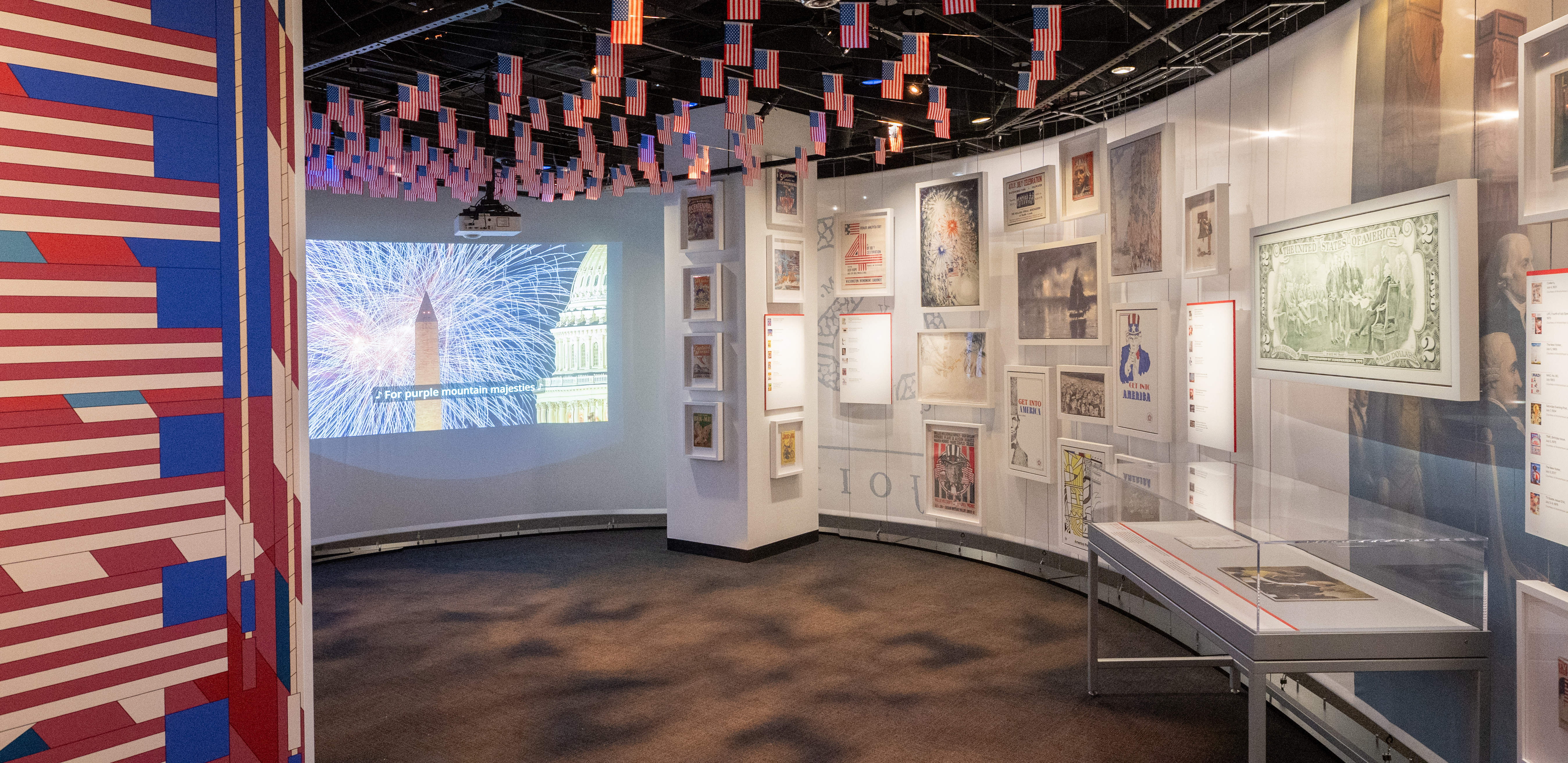
The new temporary exhibit at the National Archives Museum "Free and Independent: A Celebration of the Declaration." Photo courtesy of the National Archives Foundation
Free and Independent tells the riveting story behind America’s most important founding document by transporting visitors back into the 18th century, exploring daily life in British America and getting to know some of the men who risked everything —including their lives— by signing America’s Declaration of Independence. This exhibition will also chronicle how this very precious and fragile piece of parchment has been preserved over 250 years, from its adoption in Philadelphia in 1776 to its permanent encasement behind layers of protective glass in the National Archives.
The exhibition will also explore the Declaration’s cultural impacts over time, through visual arts and music, and spotlight the 1976 Bicentennial Celebrations, still a fresh memory for many Americans today. Exhibition visitors can be part of history by submitting photos of their own Independence Day traditions which will be displayed as part of the exhibition.
This special exhibition runs through July 5th, 2027 and is free and open to the public. Advance tickets can be reserved online at visit.archives.gov.
On Display
The exhibition will consist of 40 original artifacts from the National Archives collections and other lenders, including a 1763 Broadside from King George, the Lee Resolution, and a playful selection of Centennial and Bicentennial related artifacts and ephemera.
Some of the original records on display from the holdings of the National Archives include:
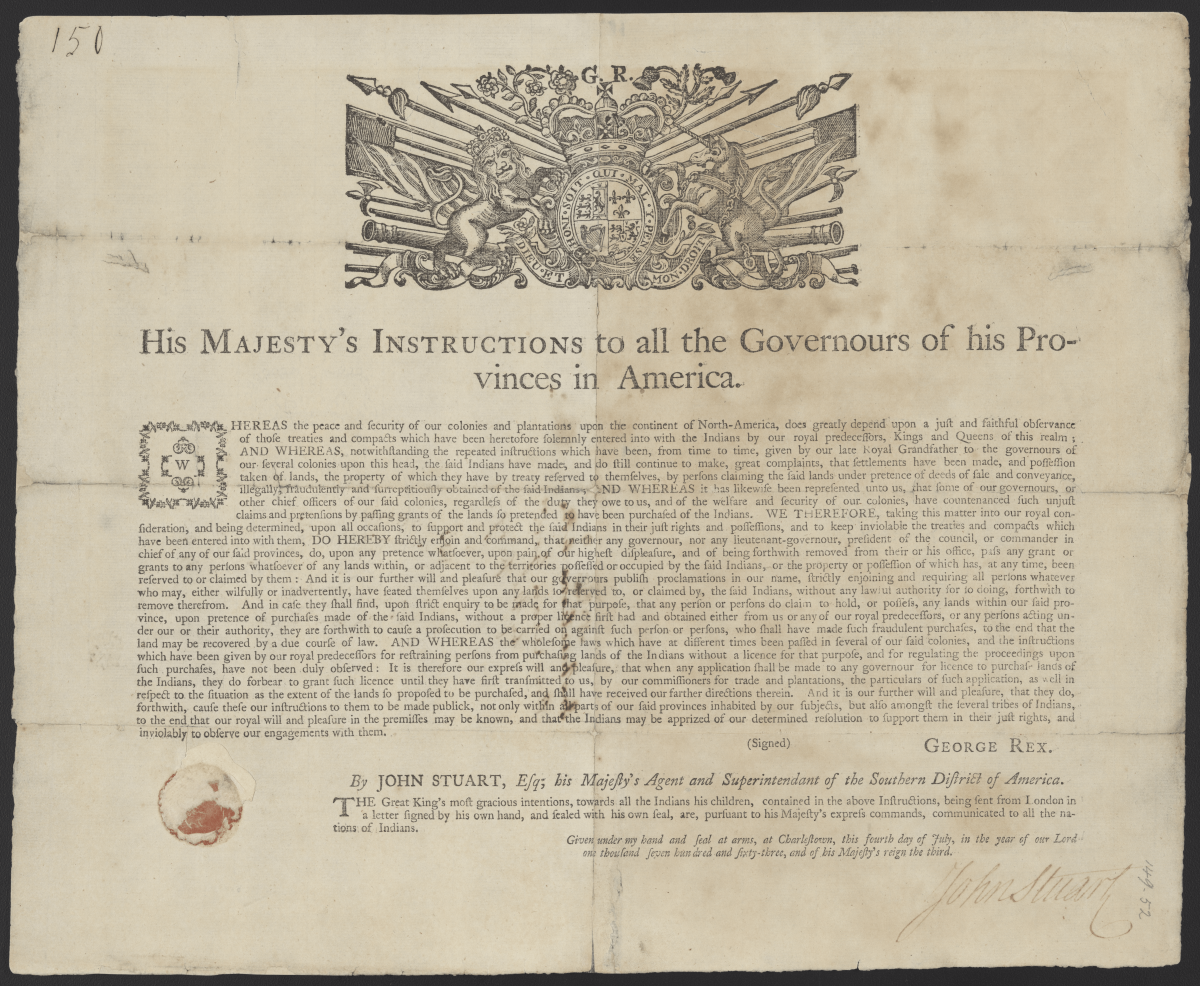
Broadside of King George III’s “Instructions to the Governors of His Provinces in America,” July 4, 1763.
In 18th and 19th-century America, large sheets of paper printed on one side and intended for announcements or proclamations were known as broadsides. Royal Indian Agent John Stuart sent this broadside to the Cherokee people. It explained the king’s plan to protect “Indians in their just rights and possessions.” Three months later, King George issued a royal proclamation that banned colonists from settling west of the Appalachian Mountains. Records of the Continental and Confederation Congresses and the Constitutional Convention
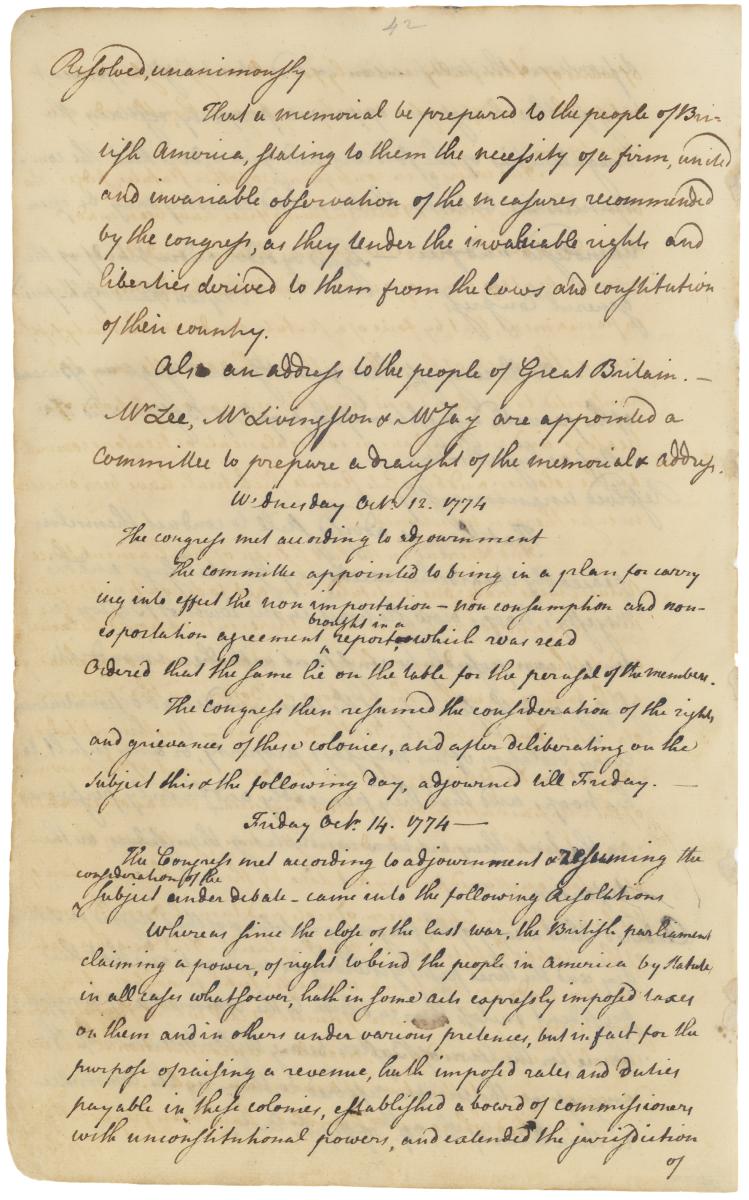
Declaration of Rights and Grievances against Great Britain from Rough Journals of the First Continental Congress, October 14, 1774
In response to the Intolerable Acts, delegates at the First Continental Congress agreed on a number of resolutions, or “resolves,” that asserted the colonists’ rights and defended their resistance to British rule. The document was formally titled the Declaration of Rights and Resolves of the First Continental Congress, but was also known as the Declaration of Colonial Rights. Records of the Continental and Confederation Congresses and the Constitutional Convention
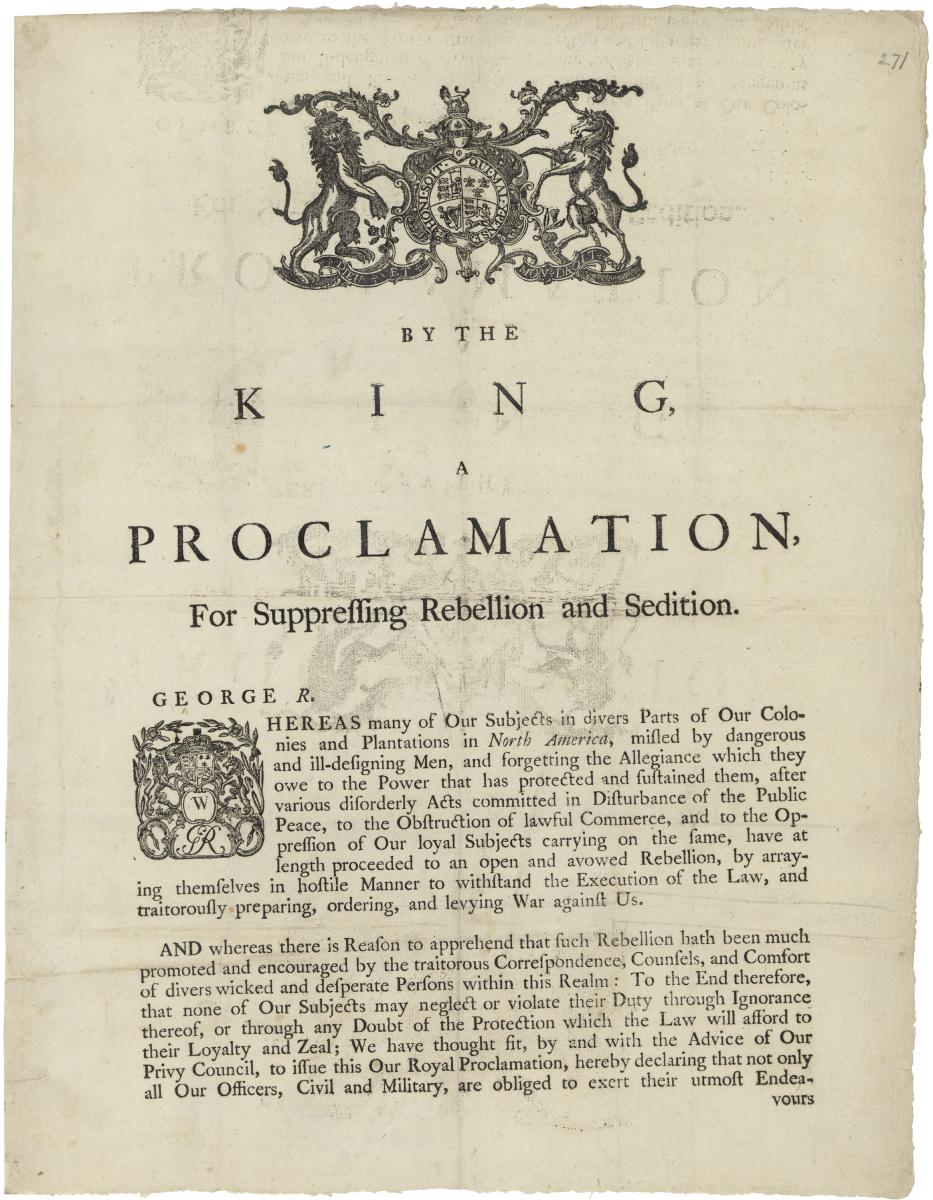
By the King, A Proclamation for Suppressing Rebellion and Sedition, August 23, 1775
A printed proclamation for suppressing rebellion and sedition issued by King George III of Great Britain. Records of the Continental and Confederation Congresses and the Constitutional Convention
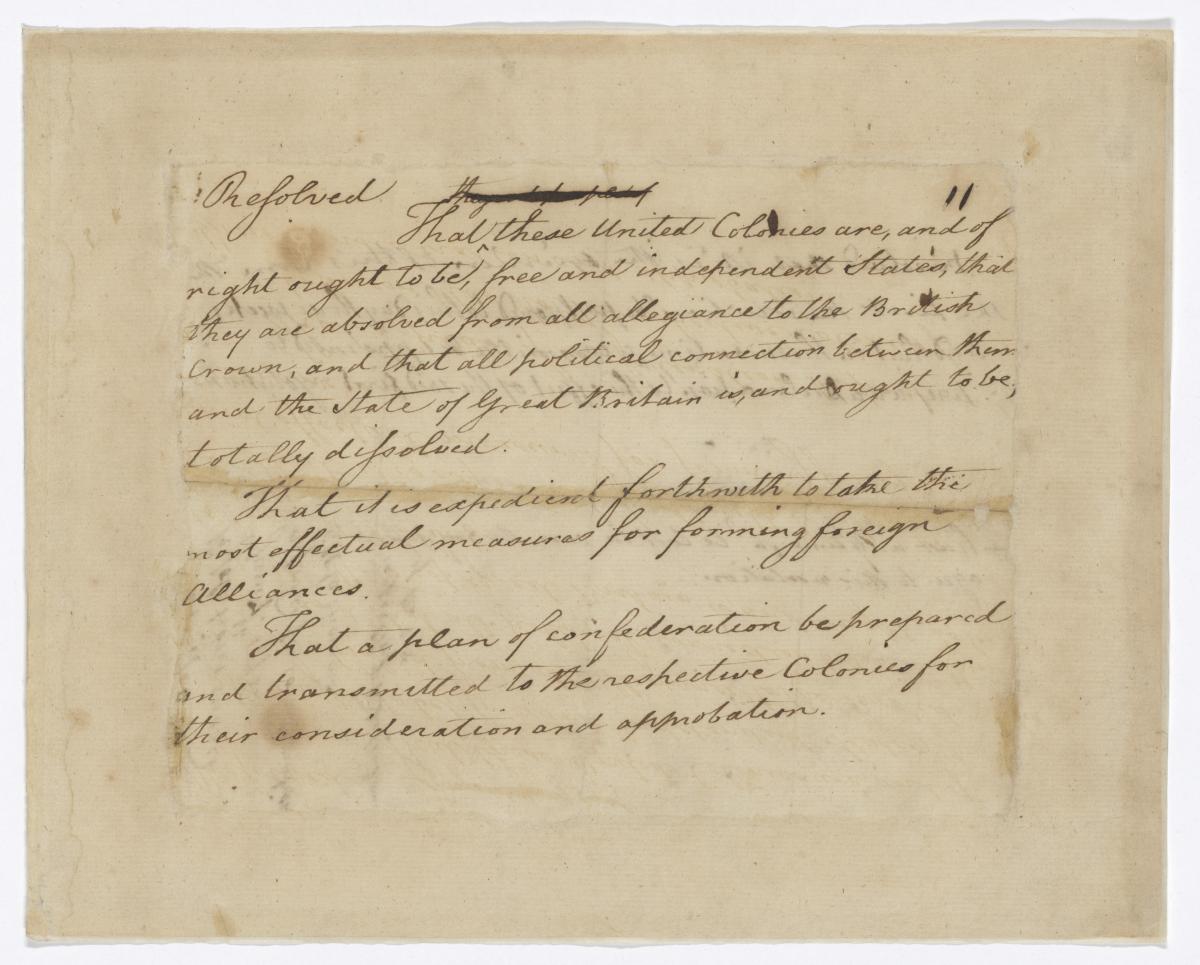
Lee Resolution, June 7, 1776
On June 7, 1776, in Philadelphia, while some delegates hesitated and others hoped to make peace with the King, Richard Henry Lee shocked everyone by proposing a resolution declaring independence: "That these united colonies are, and of right ought to be, free and independent States, that they are absolved from all allegiance to the British crown, and that all political connection between them and the state of Great Britain is, and ought to be, totally dissolved."
Lee’s Resolution had three parts: a declaration of independence, a call to seek foreign alliances, and a plan for a confederation. On July 2, 1776, Congress adopted the first part of Lee’s Resolution; two days later, it adopted the Declaration of Independence. Records of the Continental and Confederation Congresses and the Constitutional Convention
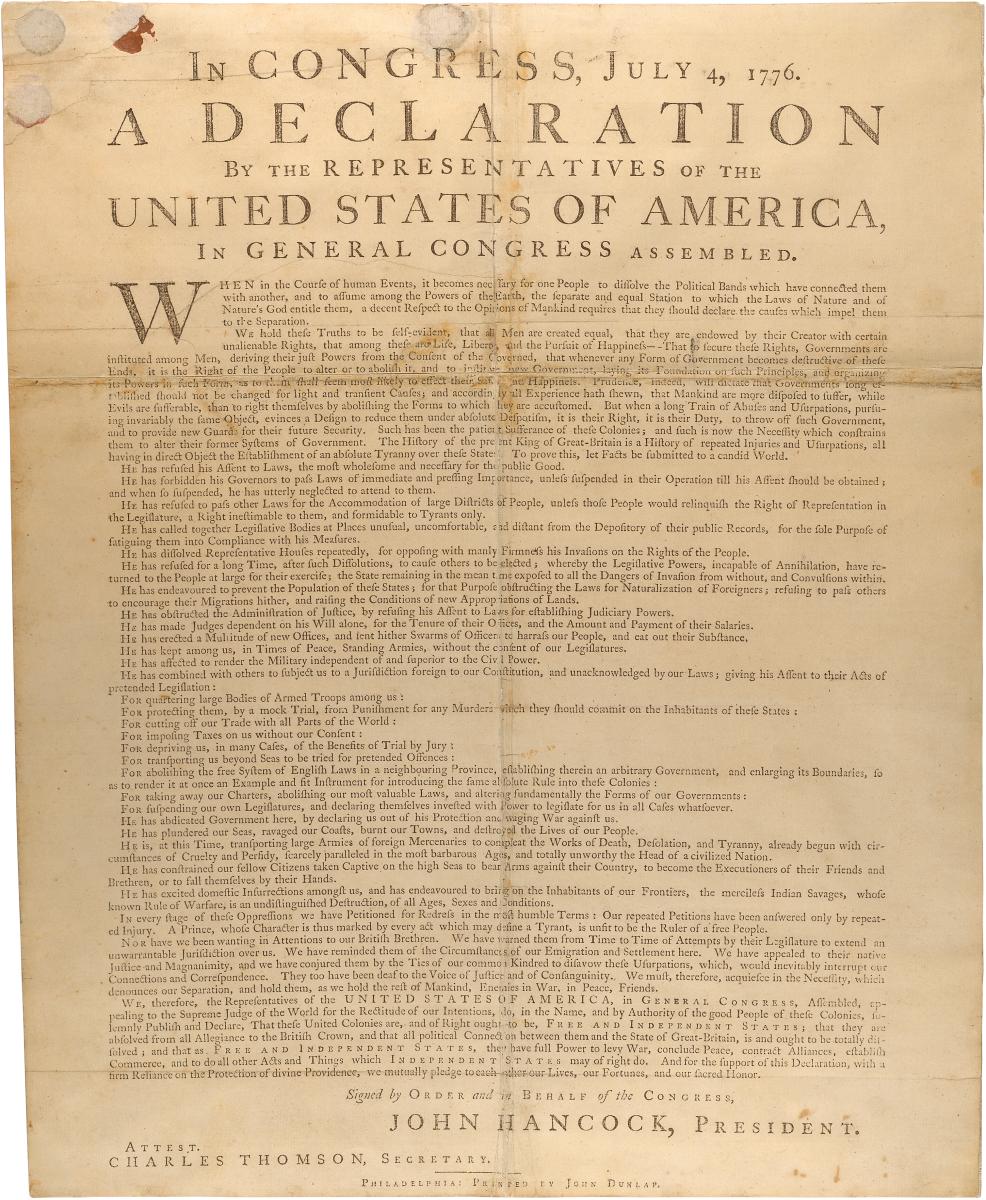
Dunlap Broadside, July 4-5, 1776 (First Printing of the Declaration of Independence)
John Dunlap produced the first printed versions of the American Declaration of Independence in his Philadelphia shop on the night of July 4, 1776. After the Declaration had been adopted by the Congress earlier that day, a committee took the manuscript document to Dunlap for printing. On the morning of July 5, copies were distributed by members of Congress to various assemblies, conventions, and committees of safety as well as to the commanders of Continental troops. Records of the Continental and Confederation Congresses and the Constitutional Convention
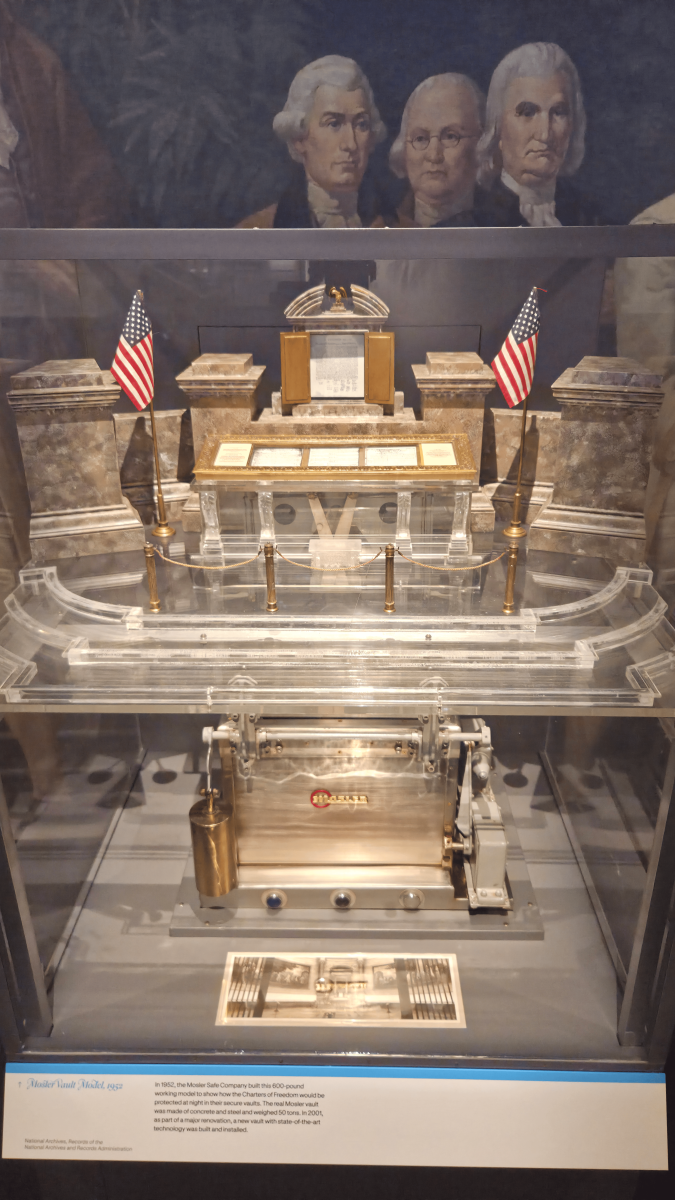
Mosler Model of the original vault for the Charters of Freedom, 1952
This 600-pound working model demonstrates the original, ultra-secure vault that protected the Charters of Freedom at the National Archives Museum. It shows how the documents would rise for display and descend for maximum security at night.
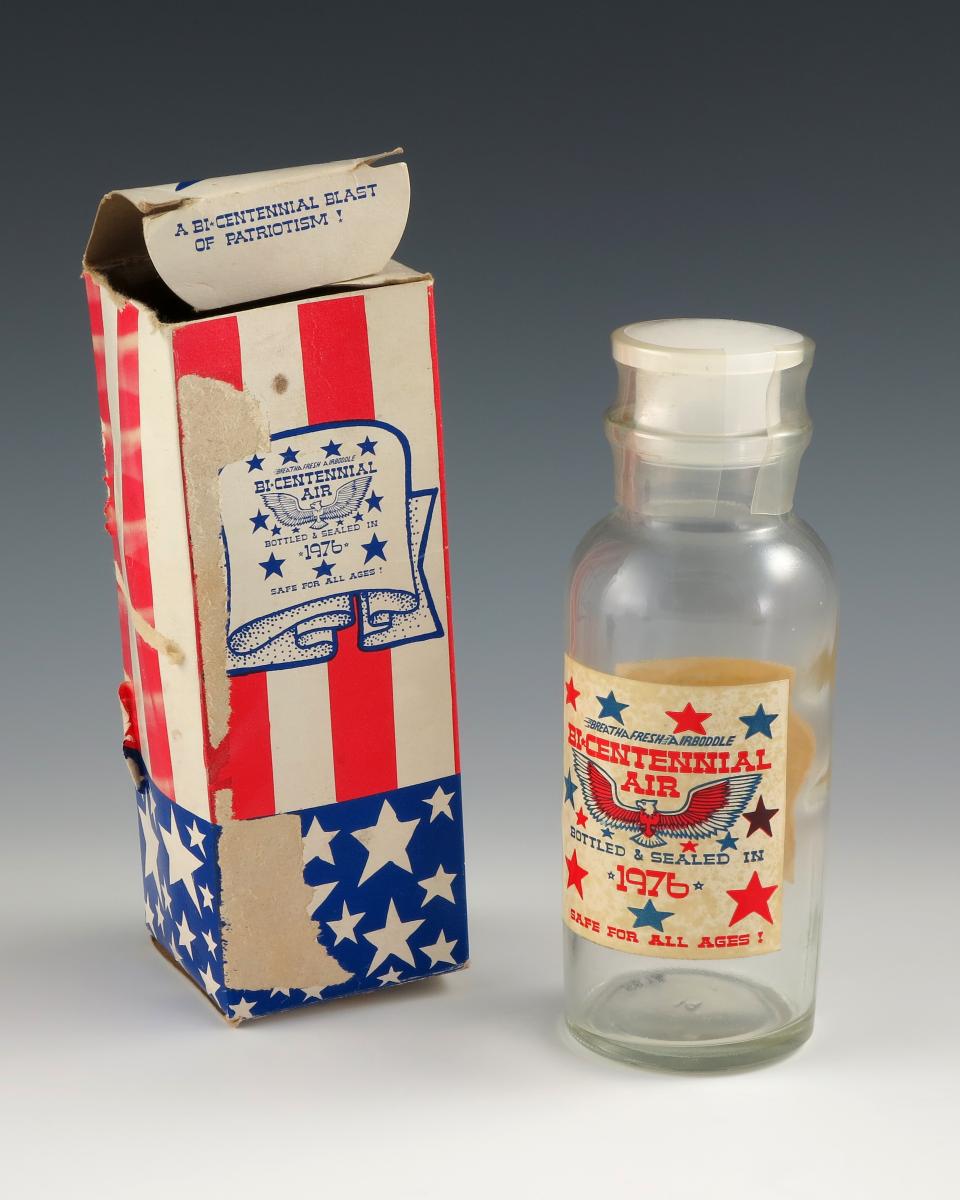
Bicentennial Bottle of Air, 1976
"A be-centennial blast of patriotism!" The Bicentennial Bottle of Air features an eagle along with red and blue stars on the front, and directions for the use on the back. It is a glass bottle with a label that reads, "Bicentennial / Air / bottled and sealed in / 1976". The box is included. Courtesy of the Gerald R. Ford Presidential Library and Museum
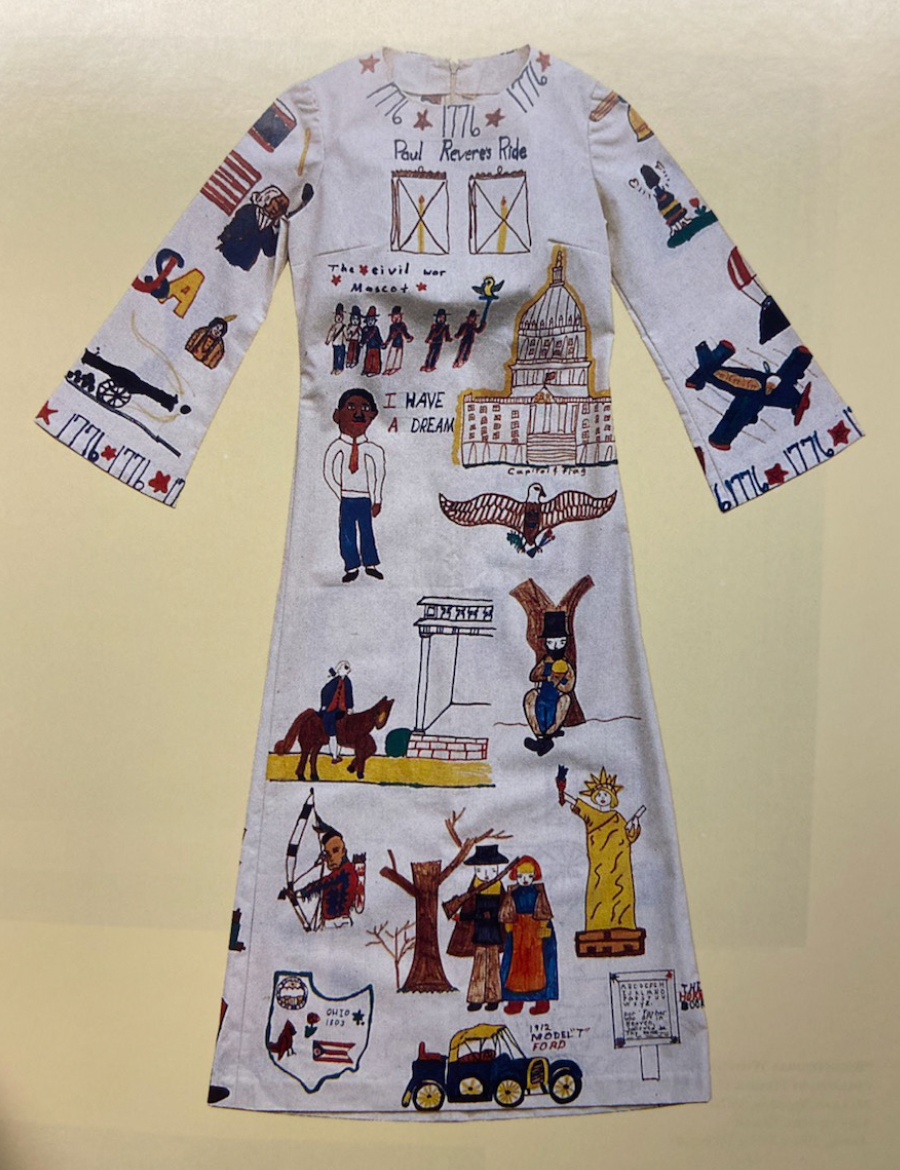
Bicentennial dress, ca. 1976
Illustrated by third-grade students at Kingswood Elementary School. A long, off-white linen, A-line Bicentennial dress with long sleeves. The dress pictures scenes from America's past 200 years drawn all over and colored with magic marker making a very unusual print. Courtesy of the Gerald R. Ford Presidential Library and Museum.
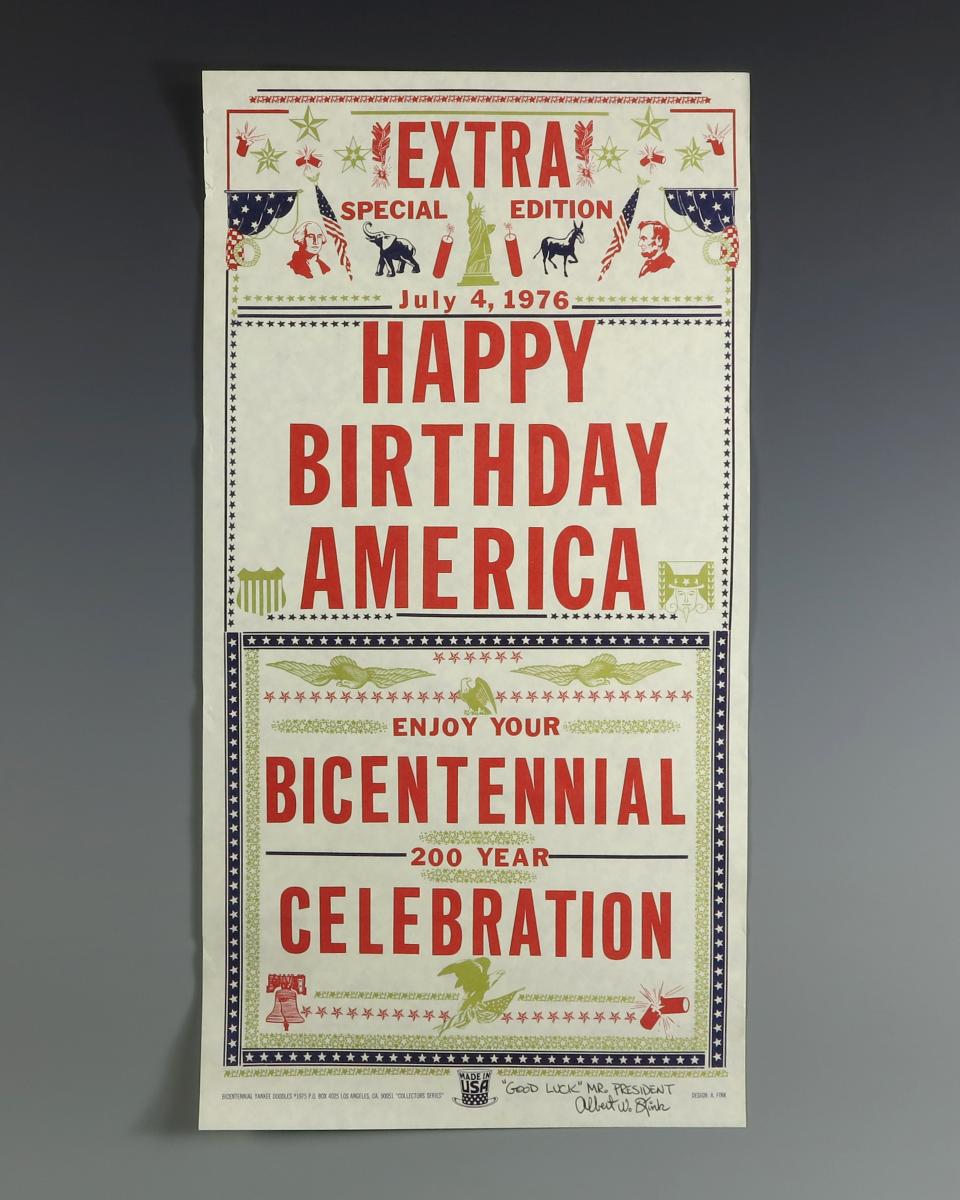
Happy Birthday America Handbill, 1976
A handbill that features decorated images of the federal eagle, stars, and fireworks. It also features George Washington, Abraham Lincoln, the Republican elephant and the Democratic donkey. The bottom features text that reads “Good luck' Mr. President/ Albert W. Fink." Courtesy of the Gerald R. Ford Presidential Library and Museum
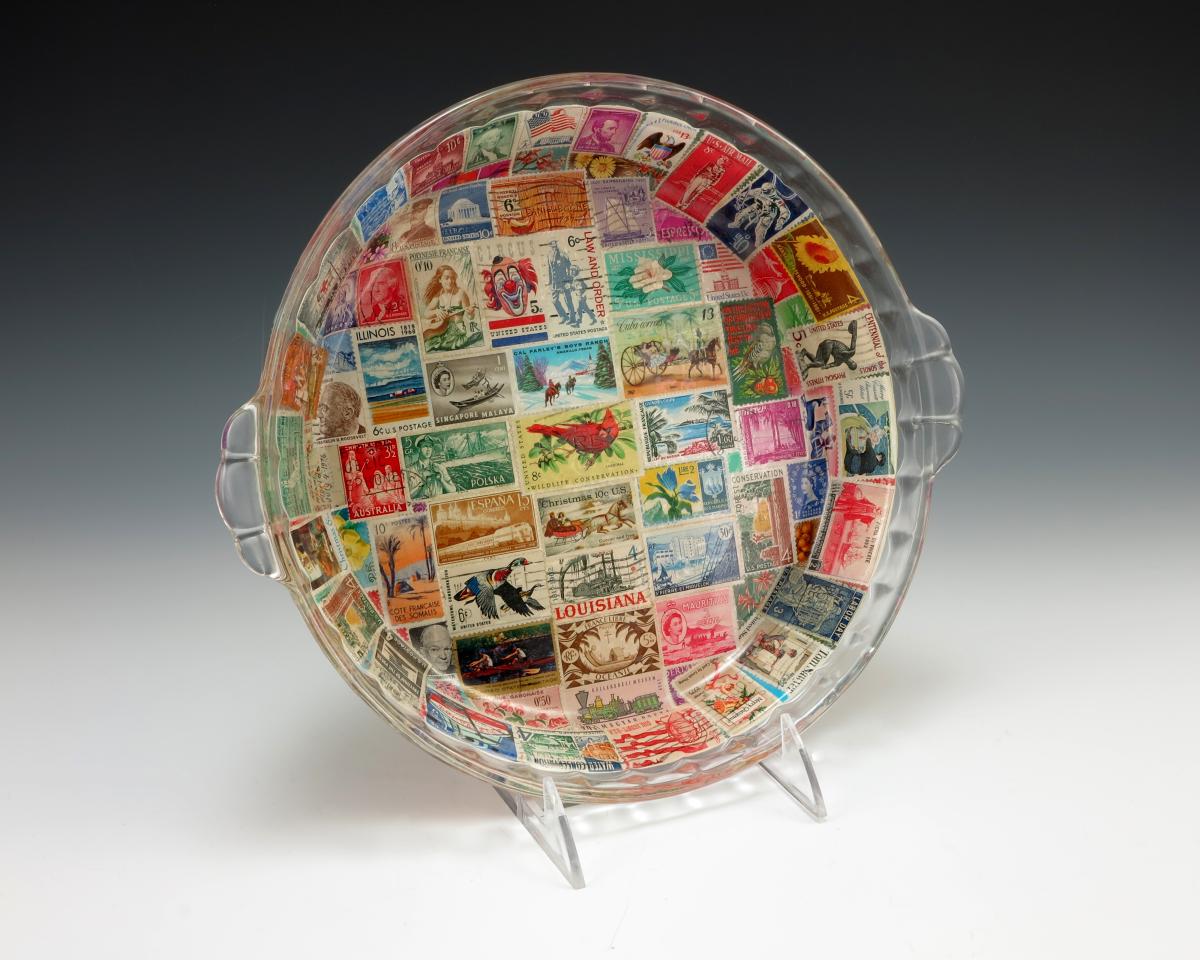
Bicentennial Stamp Pie Plate, ca. 1976
A variety of colorful postage stamps decorate the interior of a transparent glass pie plate. Courtesy of the Gerald R. Ford Presidential Library and Museum
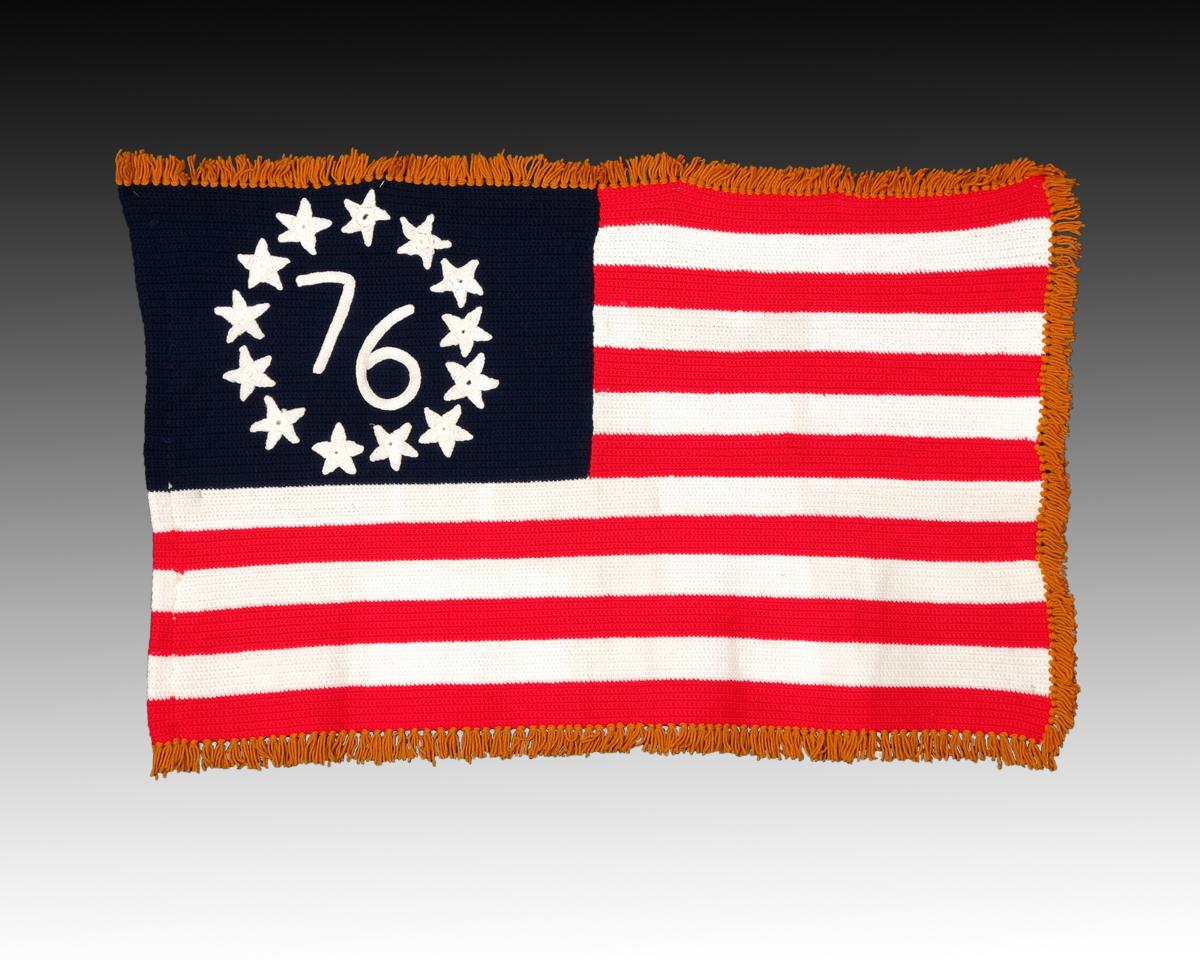
U.S. Flag Blanket, 1976
A knit American flag blanket celebrates the Bicentennial. Thirteen stars encircling the year “76” appear in the upper left corner. Gold fringe lines the edges. The left side features an opening so the blanket may be hung on a flag pole. Courtesy of the Gerald R. Ford Presidential Library and Museum
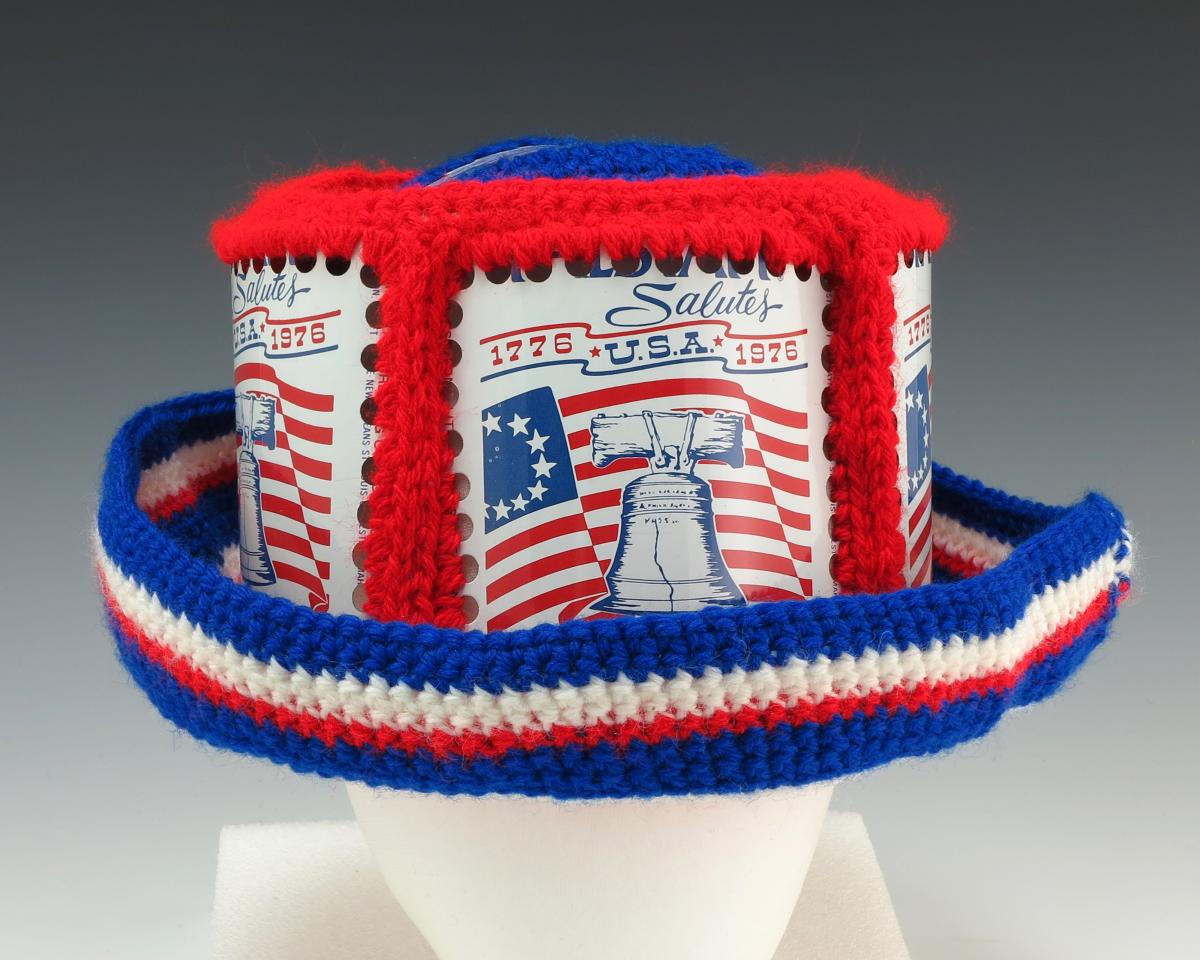
Bicentennial Beer Can Hat, before 1982
A hat made of red, white, and blue yarn and aluminum cans has a tall crown and an upturned brim. Each aluminum panel displays an image of a flag and the Liberty Bell. Courtesy of the Gerald R. Ford Presidential Library and Museum
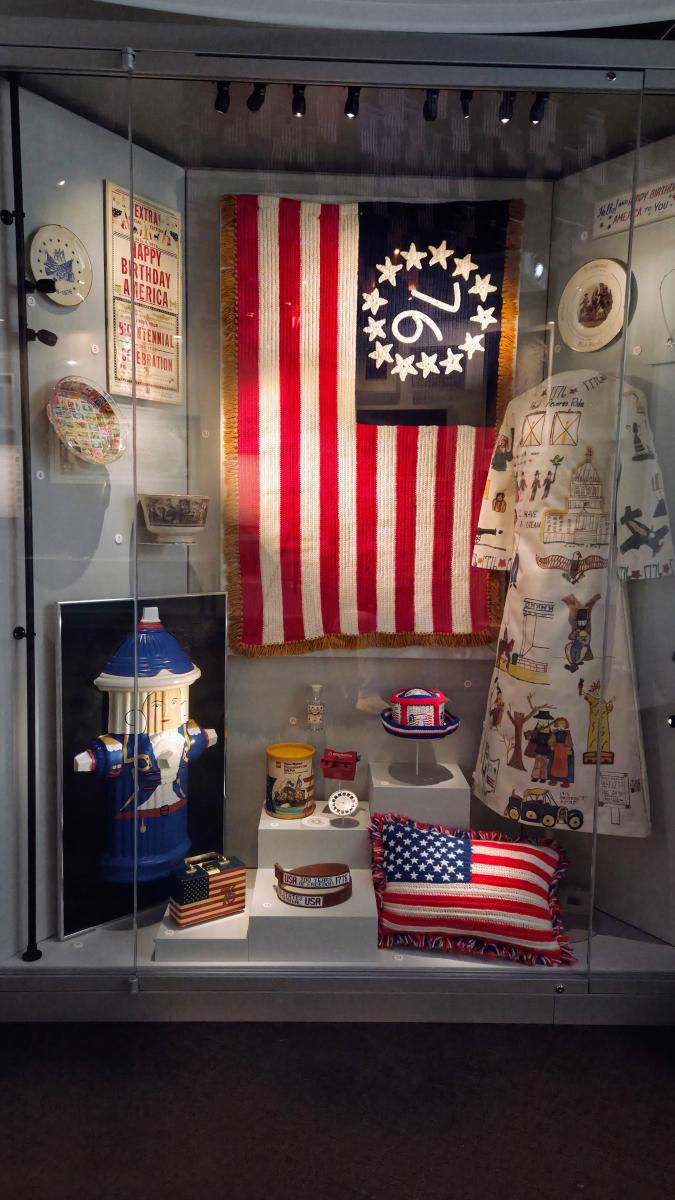
Bicentennial Gifts Case
The items in this case are a small sampling of gifts President Gerald Ford received as part of the Bicentennial celebrations. They were accepted on behalf of the American people.
Images and video for media use
Members of the media are welcome to download the high resolution scans and photographs provided above. Please credit images to the U.S. National Archives and Records Administration.
For more information about this exhibit, please refer to the following resources:
- Free and Independent press release
- Free and Independent: special major exhibit opens as a “celebration of the Declaration” - National Archives News
Are you a member of the media who would like to cover this exhibit? For media inquiries, please contact the National Archives External Affairs and Communications via email at public.affairs@nara.gov.
Free and Independent: A Celebration of the Declaration is made possible in part by the National Archives Foundation through the generous support of The Boeing Company, Comcast Corporation, Microsoft, and P&G. Additional support provided by Ancestry, John Hancock, and C&G Partners.
Tag us on social media!